Anti-corruption watchdog hearings rarely lack theater, but the ongoing New South Wales Independent Commission Against Corruption inquiry has crossed straight into spy-thriller territory. Private investigator Shane de Kauwe took the stand and admitted to orchestrating covert surveillance against a senior Liberal minister, installing illegal spy cameras, and distributing recording devices to a fugitive property developer. It sounds like fiction. It's happening in Sydney.
The inquiry centers around dark political maneuvers, millions in alleged illegal donations, and deliberate plots to ruin political careers. At the center of this messy web stands Jean Nassif, the property developer who fled to Lebanon while his company Toplace imploded under building defect scandals. Nassif and his associates allegedly poured cash into political channels to secure favorable outcomes, which supposedly included tanking the career of former minister David Elliott and ousting former building commissioner David Chandler.
De Kauwe's testimony laid bare how easy it is for well-connected operatives to hire professional snoopers to dig up dirt. He admitted to placing a static camera on a building opposite a car park without legal authority. His mission? To track a woman connected to Elliott in an attempt to dig up dirt on a 2020 COVID restriction breach. Toplace lawyer and executive Sharangan Maheswaran footed the $15,000 bill for the operation. Elliott, never shy with his words, didn't hold back when reacting to the investigator's methods, labeling him the "Maxwell Smart of the NSW private investigator industry" after the clumsy surveillance failed to turn up anything useful.
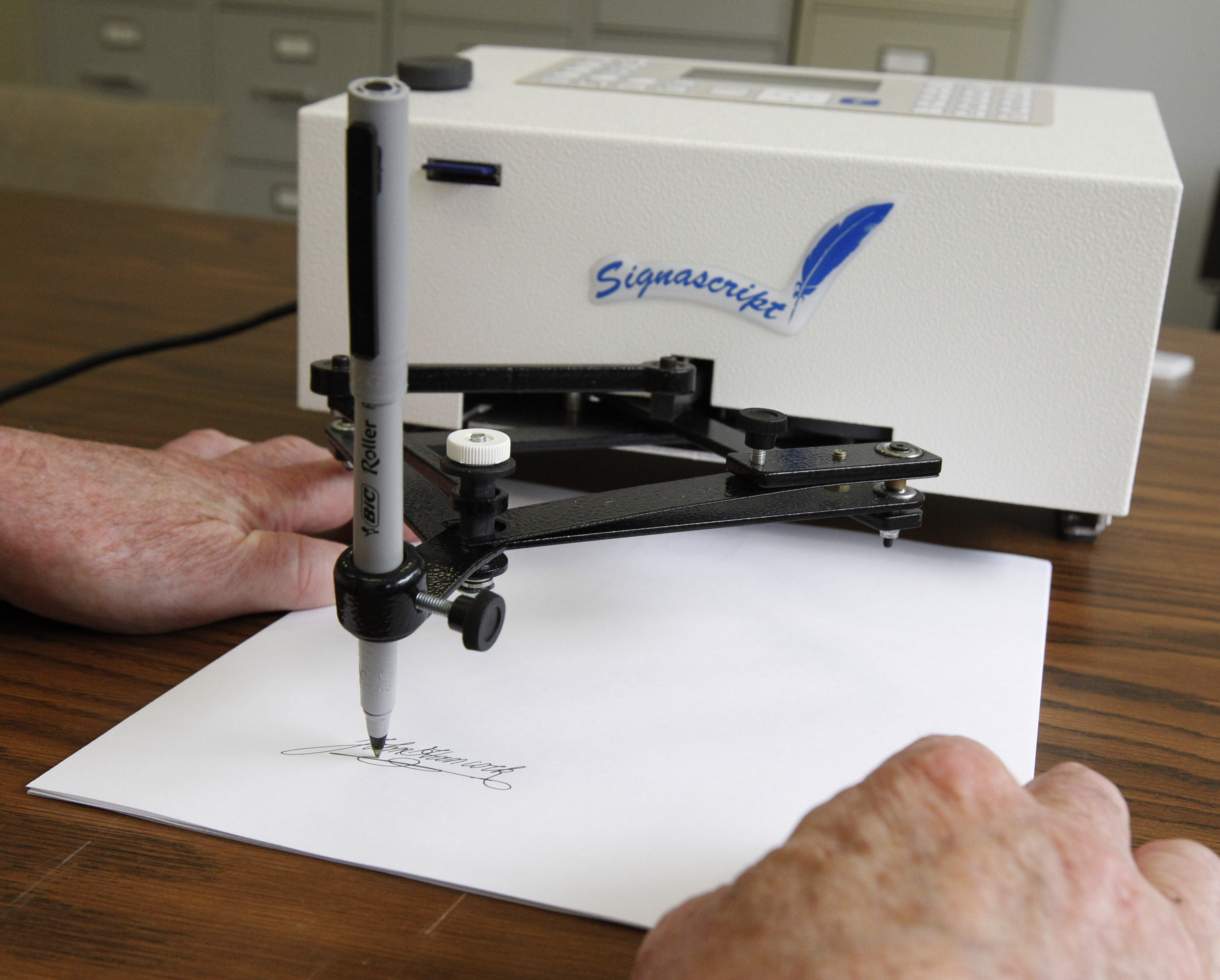
Beyond tracking politicians, the inquiry heard how the spy network extended into hardware distribution. De Kauwe admitted he handed over covert recording devices—including spy pens and key-tag style recorders easily bought online—to Maheswaran, Nassif, and Liberal operative Jeremy Greenwood. Nassif supposedly needed a second recorder because he couldn't figure out how to work the first one. He allegedly planned to use it during meetings regarding extortion claims over occupancy certificates for Toplace developments.
You start to wonder how accountability functions when political operatives treat surveillance like a casual weekend project. De Kauwe brushed off questions about potential conflicts of interest regarding Maheswaran, who acted as both his legal advisor and his paying client, claiming he trusted him implicitly. That kind of blind loyalty keeps corruption watchdogs busy for months on end.
The hearings roll on, and more figures will take the stand to defend their actions. If you're following Australian politics, keep a close eye on how these revelations reshape campaign financing laws and oversight rules. The loopholes that let private investigators operate in a legal grey zone while taking orders from property developers need an immediate fix.