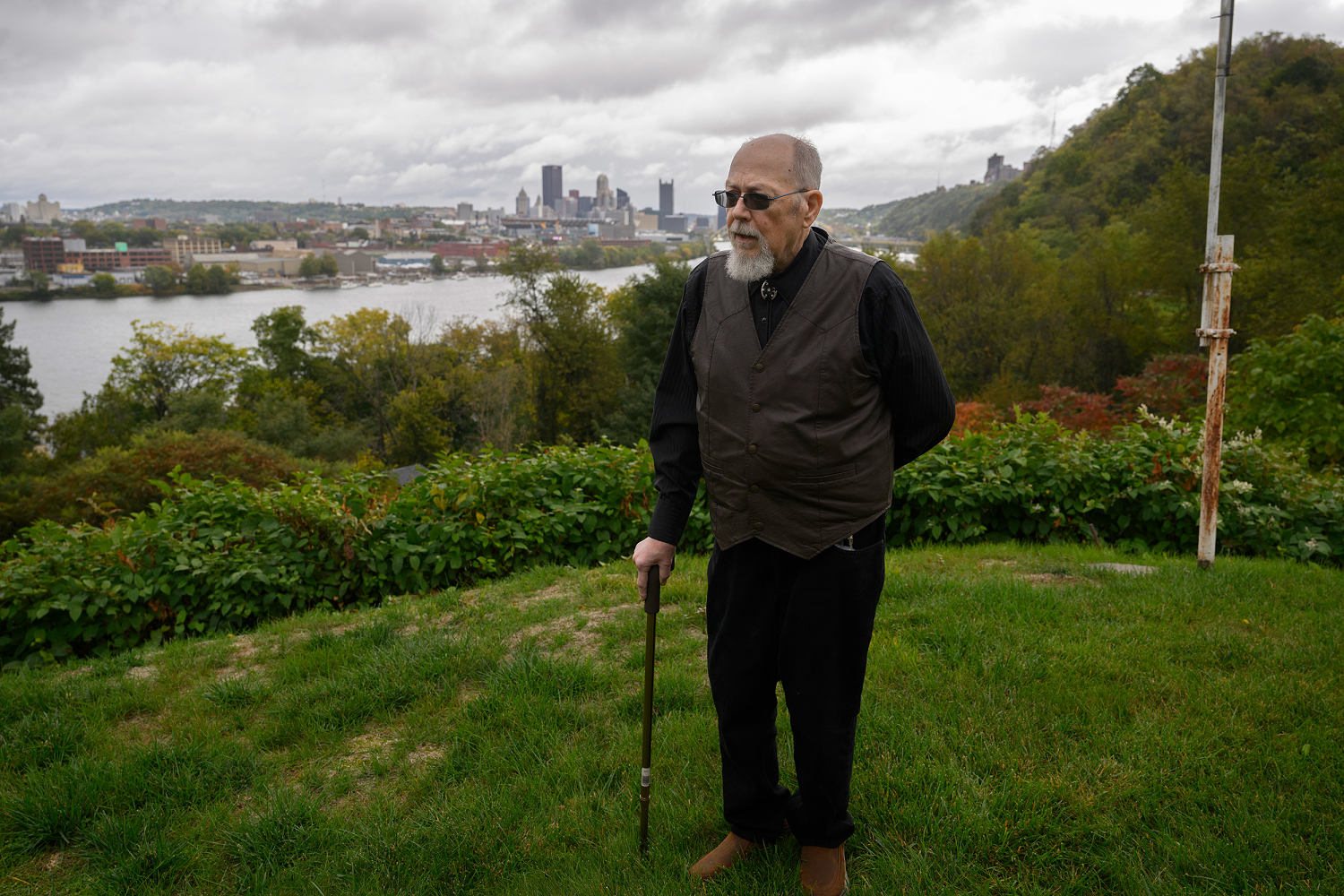
Two years after a gunman opened fire at a campaign rally in Butler, Pennsylvania, the toll of that July afternoon has grown heavier. Jim Copenhaver, a 76-year-old resident of Moon Township who was struck twice during the assassination attempt on Donald Trump, has died.
His passing brings the tragic human cost of the 2024 shooting back into focus. While the media often moves on once the headlines fade, the physical and emotional wreckage for the survivors and victims' families lingers indefinitely. Copenhaver lived with the brutal consequences of that day until the very end.
The Reality of Surviving the Butler Shooting
Most people remember the iconic image of Donald Trump pumping his fist with blood on his face. They remember the secret service scramble and the chaos on the stage. But away from the national spotlight, ordinary rally-goers faced a nightmare that changed their lives instantly.
Jim Copenhaver stood near the stage on July 13, 2024, expecting a standard political event. Instead, bullets tore through the crowd.
One bullet hit his triceps. A second bullet pierced his body, tearing through chunks of his colon and leaving him with severe nerve damage. He spent agonizing weeks hospitalized, underwent multiple surgeries, and dealt with permanent health complications. He even had bullet fragments lodged inside his body for the rest of his life.
When you read headlines about political violence, it is easy to view victims as statistics. Copenhaver's reality was entirely different. He was a grandfather, a neighbor, and a regular citizen who simply went to a public event and ended up fighting for his life.
Remembering the Victims of July 13, 2024
The shooting at the Butler Farm Show grounds permanently altered multiple families.
Corey Comperatore, a former volunteer fire chief, was killed at the scene while diving to protect his family from the gunfire. David Dutch, another rally attendee from New Kensington, sustained critical wounds alongside Copenhaver. Dutch and Copenhaver later shared their harrowing stories with local news outlets, describing the confusion, the loud pops they initially mistook for something else, and the sheer terror of realizing they were under fire.
With Copenhaver's passing, David Dutch remains the sole surviving rally-goer who was seriously wounded in the attack.
The legal and political fallout continues to unfold years later. Copenhaver even filed a lawsuit against the United States following the security failures that allowed a gunman to access a nearby rooftop. Yet, legal battles and political talking points pale in comparison to the quiet grief of families dealing with permanent empty seats at their dinner tables.
Why This Death Matters Now
We tend to measure historical events by immediate outcomes. If a target survives an assassination attempt, the narrative often frames it as a near-miss. But Copenhaver's death two years later proves that a shooting doesn't truly end when the shooter is neutralized.
Trauma accumulates. Chronic internal injuries, nerve pain, and ongoing medical procedures wear down the human body. Copenhaver's ongoing struggle highlights the messy, painful aftermath of political violence that television cameras never capture once the election cycle moves on.
Public figures, politicians from both sides of the aisle, and local officials have expressed their condolences, noting Copenhaver's resilience and strength through unimaginable hardship. But words from politicians ring hollow if society doesn't reckon with the toxic environment that birthed that violence in the first place.
If you take anything away from this, remember that political extremism carries a devastating human price. It doesn't target abstract ideas or remote institutions. It targets real people living quiet lives, leaving families to pick up the pieces long after the cameras have gone home.