Antonio Guterres is stepping down in December 2026 after ten years of trying to herd cats on an international scale. Whoever replaces him won't just inherit a fancy office in New York. They're walking straight into a financial disaster zone while global powers treat diplomacy like a reality TV show.
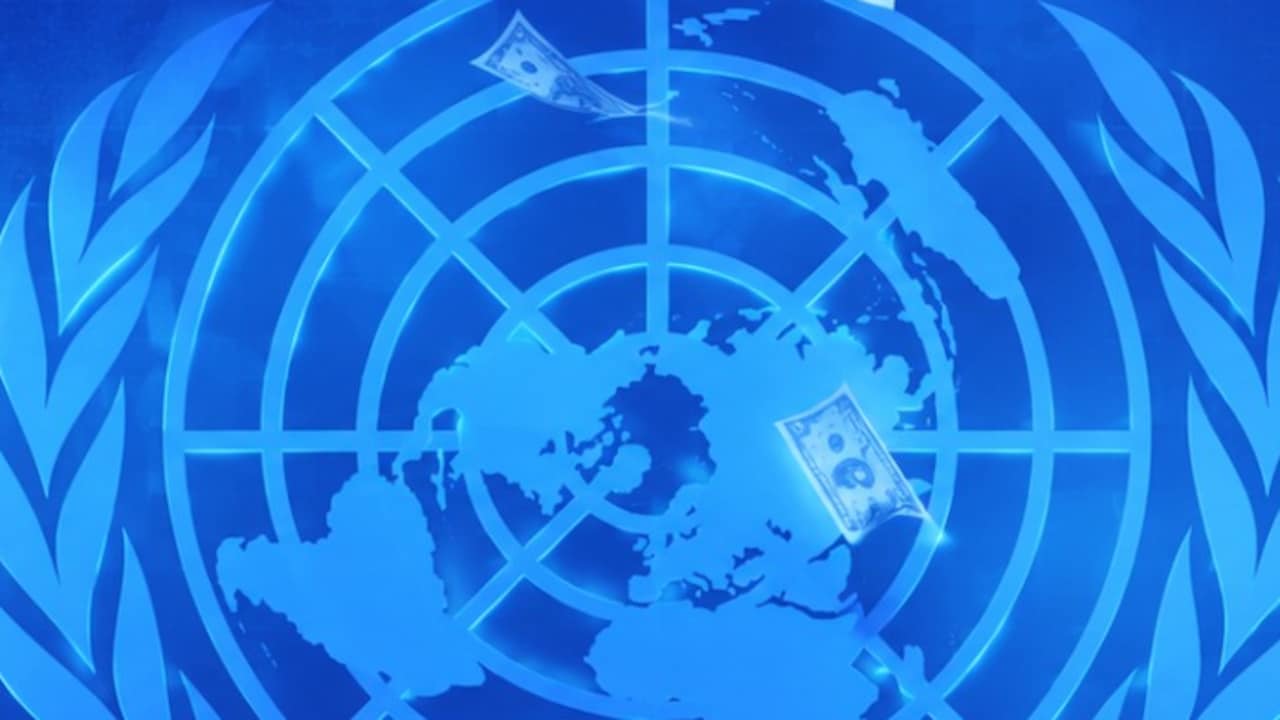
The race to find the next United Nations Secretary-General is moving fast, but the underlying conditions look grim. Think about it. You've got an organization tasked with preventing global warfare, managing humanitarian crises, and keeping nuclear treaties alive, yet it has to beg superpowers just to pay the electric bill.
Let's look at the actual numbers. The UN ended recent fiscal years bleeding money, staring down billions in unpaid regular budget and peacekeeping assessments. When superpowers treat mandatory financial obligations like optional subscriptions, international institutions break down. The United States and China alone account for a massive chunk of those outstanding billions. Sure, Washington and Beijing occasionally wire giant chunks of cash right before deadlines to avoid losing voting rights in the General Assembly, but last-minute payments don't fix long-term budgeting. You can't run global humanitarian relief or peace missions on a paycheck-to-paycheck schedule.
The Veto Trap and Security Council Politics
Selecting a new chief is never straightforward. The Security Council has to recommend someone to the General Assembly, which means surviving the dreaded permanent five veto. Candidates need at least nine votes out of fifteen, but avoiding a veto from Washington, Beijing, Moscow, London, or Paris is the real bottleneck.
Rebeca Grynspan from Costa Rica recently cleared the initial straw poll threshold with nine encourage votes, but she also picked up five discourage votes. That split tells you everything you need to know about the current geopolitical atmosphere. Nobody agrees on anything. The permanent members are too busy throwing diplomatic elbows to rally behind a unifying figure.
You're seeing a fractured world order where multilateralism is taking a beating. Wars in Europe and the Middle East keep expanding, diplomatic channels are freezing over, and smaller member states are growing furious that five countries hold total veto power over the future of international security.
Why the Financial Crunch Actually Matters
People outside international relations usually roll their eyes at budgets. They think it's just boring bureaucratic math. But cash flow dictates whether UN peacekeepers get deployed to stop ethnic cleansing, or whether food programs in famine zones get slashed.
When Washington talks about putting the UN on a starvation diet, field missions feel the pain immediately. Offices shut down. Staff get laid off. Critical human rights investigations get postponed because there isn't enough fuel for vehicles or flights.
The next leader has to convince major capitals that global stability is worth funding. That's a brutally hard pitch when domestic populism is surging everywhere and politicians win elections by attacking international organizations.
If you're wondering how this affects everyday geopolitics, look at the reform movement. Countries like India and Turkey are louder than ever about expanding the Security Council and rewriting the rules of engagement. They're tired of a post-World War II structure that no longer reflects modern reality.
The upcoming chief won't have a honeymoon phase. They'll spend their first month negotiating with reluctant treasuries, managing escalating proxy wars, and trying to keep an aging international framework from collapsing entirely.
Get ready for a rocky transition. The job nobody wants is about to find its next victim.