If you listen to the loudest political voices, Canada is fracturing at the seams. You hear non-stop talk about Alberta breaking away or Quebec holding another referendum, making it seem like the country is on the verge of a messy divorce.
I don't buy it, and neither do the numbers.
Fresh polling data from Ipsos reveals a fascinating disconnect between online noise and actual public sentiment. Canadians are actually pulling together right now, even while regional friction gets all the media attention. Let's look at what's really happening beneath the surface.
The Separation Myth Exposed by Real Numbers
We love to obsess over regional grievances in this country. It's practically a national pastime. But when pollsters ask everyday citizens if they actually want to pack their bags and form a new country, the enthusiasm drops off a cliff.
According to the Ipsos survey, a staggering 81 per cent of Canadians outside Alberta want the province to stay put. Even in Quebec, where independence is a perpetual topic of debate, 69 per cent of respondents think Alberta should reject separation.
National numbers tell an even clearer story. Only 16 per cent of Canadians outside Alberta think their province would be better off solo. Think about that for a second. More than four out of five people look at the current setup, flaws and all, and decide it beats striking out alone.
What Albertans Actually Think About Confederation
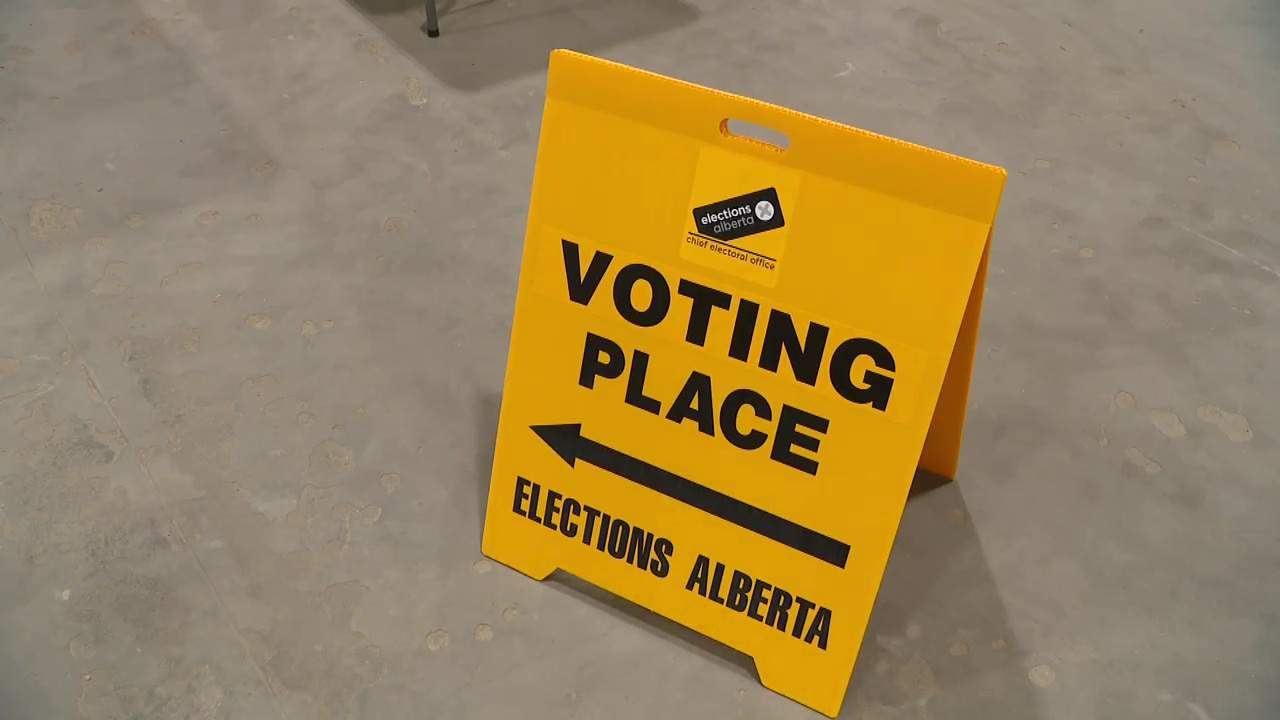
Let's talk about Alberta, because that's where the most active pushback is happening right now. With a referendum on the horizon, outsiders might assume the province is ready to walk out the door.
Reality is much more nuanced. While 48 per cent of Albertans feel their province doesn't get a fair shake from Ottawa, that grievance doesn't automatically translate into a desire to leave. In fact, that number is down significantly from 65 per cent back in 2019.
When pushed on the actual vote, 70 per cent of Albertans say they want to remain in Canada. Once a binding referendum gets discussed, that number climbs to 84 per cent.
People want a better deal. They want Ottawa to listen. But wanting lower equalization payments or a better energy policy isn't the same as wanting a new passport and a separate currency.
Why External Pressures Are Actually Gluing Us Together
Why are Canadians feeling more unified now than they did a few years ago? Simple. External pressure has a way of silencing internal squabbles.
Between managing high-stakes trade tensions with the United States and dealing with unpredictable political shifts south of the border, bigger challenges are taking up people's mental bandwidth. When you are staring down external economic uncertainty, the idea of breaking your own country into pieces suddenly looks like a terrible survival strategy.
Gregory Jack, a senior vice president with Ipsos Global Affairs, pointed out that the country feels more united on major external issues right now than it did in 2019. We might complain about our neighbours in the next province, but when push comes to shove, we recognize the value of sticking together.
The Political Surprise No One Expected
You would think federal politics would map neatly onto these regional divides, but even that is getting weird. Take Alberta, the traditional heartland of conservative politics.
Recent data shows Prime Minister Mark Carney holding a 51 per cent approval rating among Albertans, compared to 35 per cent who view him unfavourably. Meanwhile, Pierre Poilievre sits at 44 per cent favourable and 40 per cent unfavourable in the same province.
That is an unusual twist for anyone who tracks political maps. It shows that public sentiment on leadership and unity defies simple partisan boxes. Albertans might be frustrated with federal policy, but they aren't blindly locking themselves into ideological corners either.
Stop Falling for the Division Narrative
We need to stop treating every loud political campaign as a sign of imminent national collapse. Separatism makes for great headlines and dramatic cable news segments, but it fails the reality test.
Next time you read a breathless headline about a province ready to tear up the constitution, check the actual data. Most people are too busy dealing with everyday life to care about building international borders between provinces.
Keep your eyes on the practical issues that matter, ignore the manufactured panic, and remember that unity is a lot stronger than the loudest voices pretend it is.