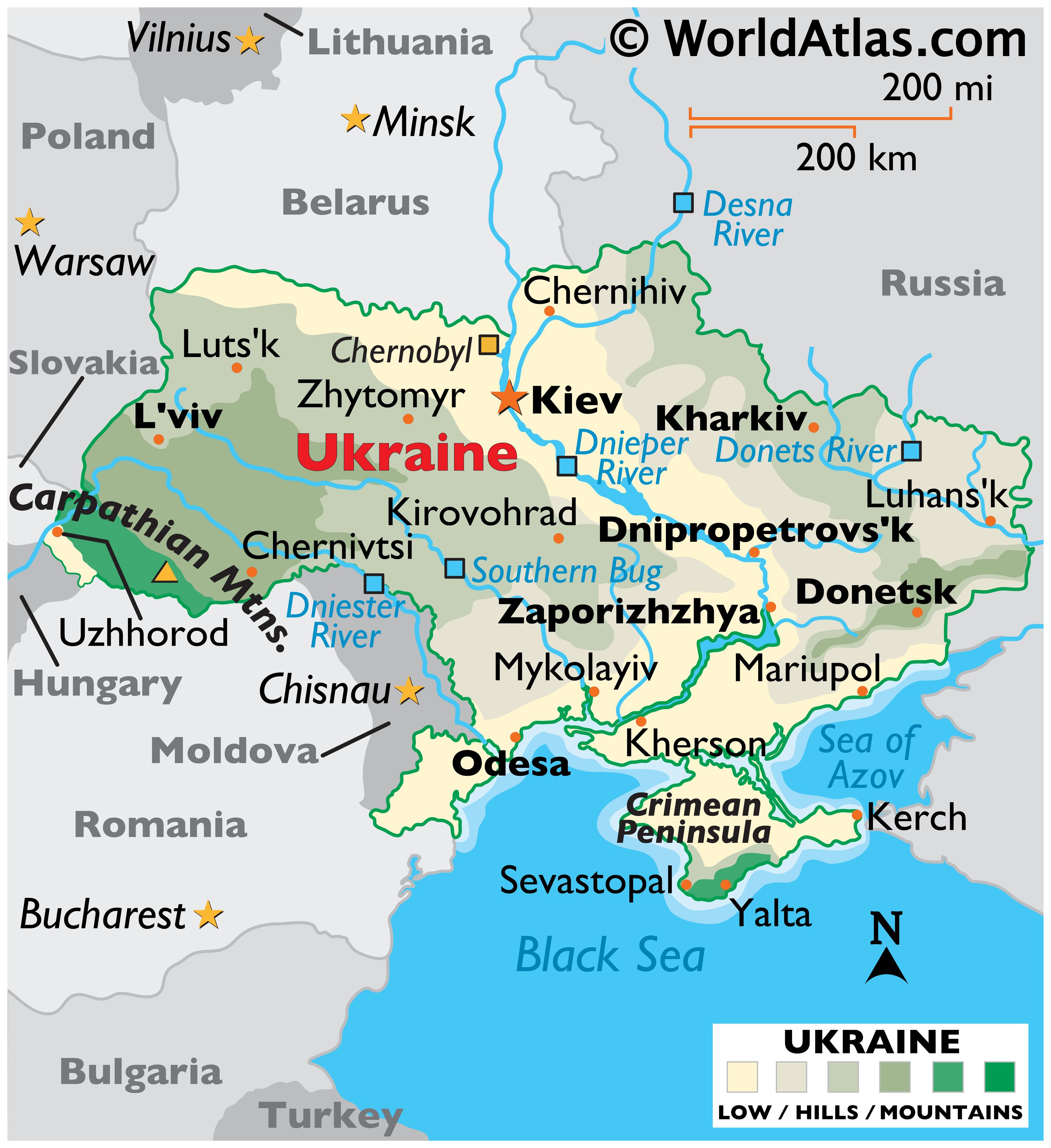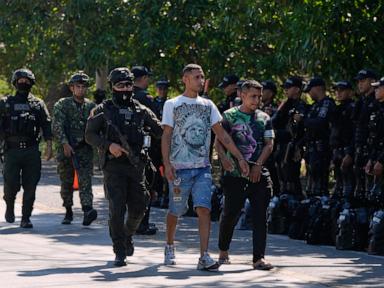
Streets emptied almost instantly in Santa Marta. Shutter doors slammed down over storefronts, vehicles burned on asphalt, and a major tourist gateway to Colombia's Caribbean coast ground to a complete halt.
This wasn't a random riot. It was a calculated, violent outburst triggered by a hardline government offensive.
When Colombian President Abelardo de la Espriella deployed the military straight into the heart of Santa Marta, he signaled the absolute end of soft-touch security policies in the region. If you've been watching Latin American politics, you know this shift is massive. Let's break down what actually happened, why the cartels reacted so viciously, and what this means for Colombia's security trajectory.
The Spark Behind the Santa Marta Lockdown
The chaos didn't materialize out of thin air. Days prior, Colombian police and air force units executed a precision raid against the Conquering Self Defense Forces of the Sierra Nevada, commonly known as the ACSN. This criminal syndicate traces its ideological and structural roots back to Colombia's disbanded paramilitary organizations, making heavy profits off cocaine trafficking routes and local extortion rings across the Magdalena, Cesar, and Guajira departments.
During that military operation, security forces killed 13 members of the group, including a high-ranking commander known by the alias "Cholo," who served as the organization's second-in-command.
Criminal networks don't absorb losses like that quietly.
In vicious retaliation, armed operatives flooded Santa Marta on motorcycles. They terrorized commercial districts, fired weapons at open businesses, torched trucks and buses, and forced a total lockdown through fear. Rumors of an imposed gang curfew emptied the streets, leaving tourists stranded and local commerce paralyzed.
De La Espriella’s Total Break From Past Peace Policies
President de la Espriella didn't hesitate. Within hours of the arson attacks, he announced a full-scale militarization of the city and flew directly to Santa Marta to oversee the security crackdown.
To understand why this response is so abrupt, you have to look at the political context. Previous administration efforts under Gustavo Petro leaned heavily into negotiated "total peace" talks with myriad armed factions, attempting to buy stability through dialogue. Those negotiations ultimately stalled or failed, leaving power vacuums that groups like the ACSN happily exploited.
De la Espriella swept into office with a very different mandate. Backed by a tough-on-crime posture and international allies, he slammed the door on peace talks with drug-running factions. His message to the ACSN was blunt: submit to state authority, or get taken down.
What Over 1,500 Troops Mean for the Caribbean Coast
Local authorities estimate that more than 1,500 additional police officers and military personnel flooded the region. Armored patrols now secure the main highway arteries connecting Santa Marta to the Venezuelan border, a critical geography for cross-border contraband and drug transit.
The immediate objective is restoring basic order for roughly half a million residents and panicked tourists visiting nearby ecological hubs like Tayrona National Park. However, the broader strategic gamble runs much deeper.
When a state abandons negotiations and opts for pure kinetic force, criminal groups often respond with asymmetric urban terrorism to test the government's resolve. By deploying troops directly into urban neighborhoods rather than just rural strongholds, the administration is trying to prove that gangs cannot hold a city hostage without facing immediate, overwhelming firepower.
The Road Ahead for Colombian Security
You can expect immediate friction. Hardline crackdowns yield short-term security gains, but they routinely provoke displacement of criminal cells into neighboring rural areas or deeper into the mountains of the Sierra Nevada.
If you are planning travel to Colombia's northern coast or monitoring regional stability, keep a close eye on how effectively state forces can hold these urban sectors once the initial military spotlight fades. Real security requires permanent institutional presence, not just temporary troop surges. For now, the administration has chosen its path: direct, uncompromising confrontation.