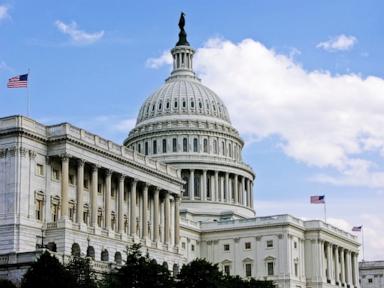
Another vote, another narrow defeat, and another wave of political posturing on Capitol Hill. The U.S. Senate just rejected yet another resolution aimed at curbing presidential war powers regarding Iran, falling short in a 50-49 vote that broke mostly along party lines. If you are keeping track, this is far from the first time lawmakers have tried and failed to check executive military authority as the conflict drags on and fuel prices tick upward.
People want to know why Congress can't—or won't—take back its constitutional duty to declare war. The short answer involves a mix of partisan loyalty, election-year panic, and the sheer political comfort of avoiding hard votes. But beneath the Capitol rhetoric, the ground is shifting. When vulnerable incumbents in tight races start breaking with their parties, you know the political calculus around the Iran conflict is changing fast.
The Anatomy of a Failed Vote
Let’s look at the numbers. The recent resolution needed to clear the upper chamber to force a halt to unauthorized hostilities, but it stalled at 50-49. A handful of Republicans crossed party lines to support the measure, including Sens. Susan Collins, Lisa Murkowski, Rand Paul, and Thom Tillis. On the other side, Democratic Sen. John Fetterman stood firm against it, maintaining his support for the administration's strategic goals in the region.
This narrow margin highlights a growing discomfort within both parties. With midterm elections looming, lawmakers are feeling the heat from constituents who are tired of endless overseas entanglements and rising economic pressure. Polls show public approval for the strikes hovering at dismal levels, pushing vulnerable candidates to distance themselves from the White House's handling of the crisis.
Yet, party leadership managed to hold the line just enough to block the measure. It’s a familiar playbook. Lawmakers get to put themselves on the record, claim they tried to do something, and then watch the bill die without altering actual policy on the ground.
Why the War Powers Act Keeps Missing the Mark
The War Powers Resolution of 1973 was designed to prevent presidents from dragging the country into unauthorized long-term conflicts. In practice, it has turned into a recurring theater piece.
Every time tensions flare and American forces engage in hostilities, congressional critics rush to draft resolutions. They debate on the floor, trade fiery quotes with the press, and bring the chamber to a vote. But two major hurdles always block real change:
- The Veto Wall: Even if a resolution miraculously passes both the House and the Senate, it faces a near-certain presidential veto. Overriding that veto requires a two-thirds majority in both chambers, a threshold that is almost impossible to reach when party discipline holds firm.
- The Ambiguity Trap: Debates over what constitutes "hostilities" or an emergency give executive branches enough legal wiggle room to bypass explicit congressional authorization.
When you combine these structural hurdles with lawmakers' reluctance to alienate major donors or base voters, you end up with endless symbolic votes that change nothing.
The Political Cost of Silence
Ignoring public sentiment comes with a price tag. Voters are paying closer attention to foreign policy when it hits their wallets at the gas pump. When representatives treat war authorizations as optional guidelines rather than constitutional requirements, trust in federal institutions drops even further.
If you want to understand how foreign policy decisions actually get made in Washington, stop looking at the Constitution and start looking at the election calendar. When seats are on the line, suddenly everybody finds religion on the importance of congressional oversight. Once the ballots are counted, the urgency tends to vanish.
Stop waiting for Capitol Hill to fix itself from the inside. Pay attention to how your representatives vote when the cameras are off, support advocacy groups pushing for strict adherence to Article I of the Constitution, and make your voice heard at the ballot box before the next crisis forces another empty vote.