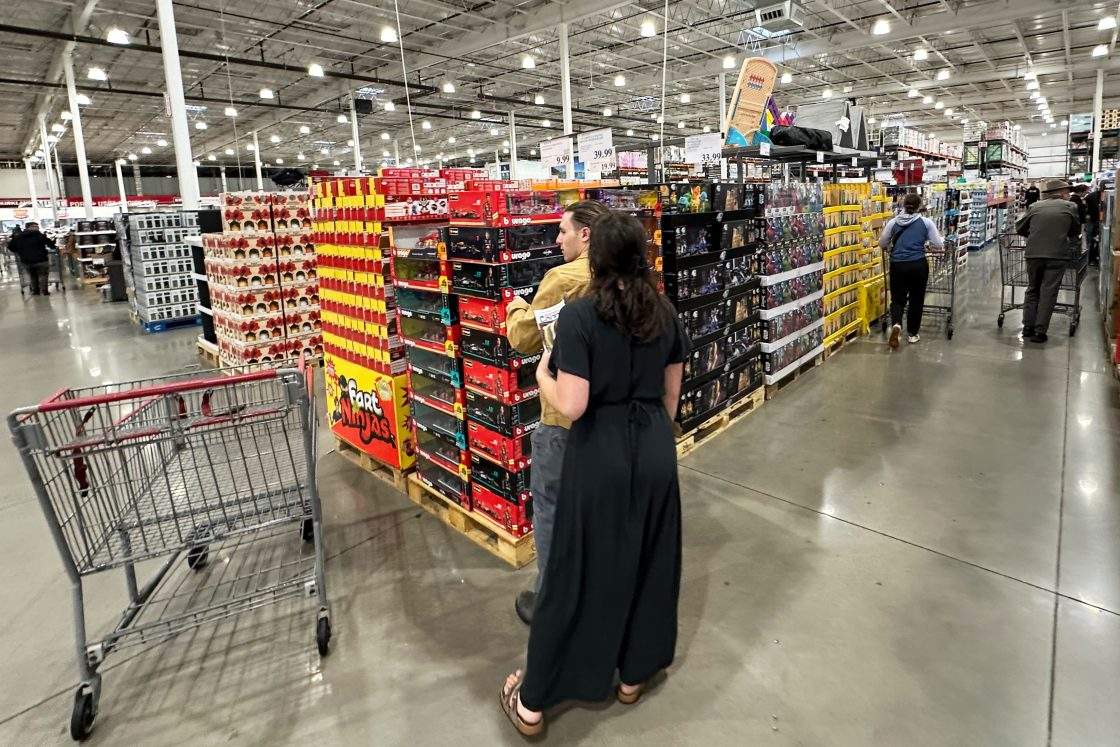
People are tired of stretching every dollar until it snaps. You walk down the grocery aisle, look at a package of ribeye, put it back, and grab ground beef instead. That exact grocery store psychology just drove an 11 percent sales spike at Costco, proving everyday shoppers are changing how they eat and spend.
Net sales hit US$93.9 billion in the recent quarter, up from $84.4 billion a year ago. Membership fees climbed to $1.85 billion even though membership prices haven't budged since 2024. Total paid members reached 84.1 million. Those numbers tell a loud story. When living costs bite hard, people head toward warehouse clubs. They want bulk savings, and they want them now.
The Great Protein Shift
Look inside shopping carts right now and you'll see a clear divide. CFO Gary Millerchip pointed out during an analyst earnings call that shoppers are hunting for lower-cost proteins like poultry and ground beef to keep grocery bills manageable.
At the same time, a weird thing is happening at the high end. Sales for luxury items like USDA Prime and Wagyu beef are holding steady or growing. People aren't necessarily stopping all spending. Instead, they are polarizing their budgets. They cut out middle-tier restaurant meals and mid-range cuts of meat, saving money on mundane staples so they can splurge on a specific treat or buy bulk essentials.
Bakery sales are exploding for the exact same reason. Shoppers want an affordable indulgence. A bulk pack of high-end pastries feels like a justifiable luxury when you aren't dropping fifty dollars on takeout.
Non-Food Splurges Surging
You might think tight budgets mean zero spending on big-ticket or non-essential goods. You would be wrong. Costco reported more than 50 percent growth in certain non-food categories.
Members are opening their wallets for tires, housewares, furniture, health and beauty items, small appliances, and even luxury relaxation gear like massage chairs and saunas. Why? Because consumers view these purchases through a lens of strict value perception. If they buy a sauna or a set of tires at warehouse pricing, they believe they are making a smart, long-term investment rather than wasting money on fleeting experiences.
Inflation hasn't disappeared. Higher memory chip costs for electronics and petroleum-related pressures have kept non-food inflation humming in specific sectors. Yet, if members perceive an item as an absolute steal or exceptional quality, they buy it immediately.
What This Means For Your Wallet
Shoppers are voting with their feet. Traditional grocery stores are losing ground to bulk retailers because families need predictable budgeting. If you want to keep your own food costs under control without sacrificing quality, take a page from the warehouse club playbook.
Buy foundational proteins in bulk and freeze them. Cut back on frequent, small grocery trips where impulse buys destroy your weekly budget. Focus your spending on high-value items that last. The retail market has shifted, and adapting to how value is delivered right now is the only way to beat the squeeze.