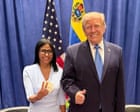
Picture a high-stakes hotel room in Manhattan. Donald Trump flashes a thumbs-up. Delcy Rodríguez smiles wide for the camera. Just seven miles away in a Brooklyn facility, her former boss Nicolás Maduro sits behind bars after a stunning special forces raid in Caracas earlier this year. It is a surreal diplomatic snapshot, and it tells you everything you need to know about how power actually works.
If you expected a prolonged ideological standoff between Washington and Caracas following Maduro's abduction, you haven't been paying attention. Realpolitik always wins. Rodríguez isn't storming out of Manhattan or staging a dramatic boycott at the UN General Assembly. Instead, she shook hands with the US president at a luxury hotel, secured her photo op, and talked about oil.
Let's look at what's really happening behind the polished press releases.
The Manhattan Photo Op Changes the Game
For Rodríguez, this meeting is an absolute victory. She walked into a room with the man who ordered the military operation that ousted her predecessor, and she walked out with international legitimacy. Political analysts love to debate whether her clenched fist in that viral photograph meant she was furious or humiliated. Honestly? It doesn't matter.
She got the picture. That image signals to every other world leader that Washington views her as the person in charge.
The White House didn't send low-level aides to this sit-down, either. Marco Rubio and Stephen Miller joined Trump at the table. Rubio later emphasized that the conversation centered around economic recovery and political transition. Notice what wasn't the main priority? An immediate push for open, democratic elections that might sweep the current socialist apparatus completely out of power.
Trump wants oil and stability. Rodríguez wants survival and control. It's a pragmatic marriage of convenience born out of raw necessity.
How Venezuela Handled the Pivot
Switching from anti-imperialist rhetoric to corporate dealmaking with Washington requires some serious political gymnastics. Under Maduro, Venezuelan state television ran endless broadcasts railing against American aggression. Rodríguez herself spent years defending that line.
Then reality hit. After Maduro's capture, Trump laid down a hard rule. He warned Rodríguez she would pay a massive price if she didn't cooperate.
She got the message loud and clear. Within months, her administration pivoted hard:
- Control over Venezuelan oil revenues shifted toward Washington.
- A massive oil deal involving billions of barrels moved forward.
- High-level military commanders were shuffled to secure her internal grip on power.
- State officials started talking up bilateral cooperation instead of revolution.
Critics back home call her a puppet. Opposition figures like María Corina Machado—currently exiled in Panama after multiple failed attempts to return—see the arrangement as a betrayal of the democratic struggle. But survival in South American high politics doesn't care about ideological purity. Rodríguez kept her seat at the table while her rivals were locked out.
Why Trump Gets What He Wants
For Trump, hosting Rodríguez serves a very specific domestic purpose. It gives his base a clean, tangible win. He can point to the massive oil reserves now flowing under US supervision and tell his supporters he completely neutralized a hostile regime in the Western Hemisphere.
He called the arrangement the largest oil deal in history during his UN address, even as Rodríguez reportedly winced in the auditorium listening to him brag about the military raid. It is classic transactional diplomacy. You hand over the resources, you stop threatening regional stability, and Washington will let you stay in office.
Other regional leaders aren't thrilled with this heavy-handed approach. Brazilian President Luiz Inácio Lula da Silva used his time at the UN to push back against foreign meddling, warning that his country and its neighbors won't accept being treated as anyone's backyard. Yet Lula's protests won't stop oil tankers from leaving Venezuelan ports or undo the handshake in Manhattan.
What Comes Next for Caracas
If you think this photo signals a sudden return to democracy in Venezuela, you're fooling yourself. Rodríguez has systematically consolidated her authority by placing loyal commanders in charge of the military and cutting deals that satisfy American energy demands.
Elections are secondary to keeping the lights on and the cash flowing. Washington is happy to work with an authoritarian leader who delivers commodities over one who causes constant geopolitical headaches.
Keep your eyes on the oil agreements and internal security shifts rather than empty diplomatic rhetoric. The new regime in Caracas learned how to survive by giving the White House exactly what it wanted. Stop expecting a democratic uprising from within the halls of power; this is a system built strictly to preserve itself at any cost.