You have probably noticed the headlines. A drone filled with explosives turns up at a German logistics hub. A fire erupts at a satellite station in Poland. Fighter jets scramble over the Baltic Sea to intercept uninvited aircraft.
It is easy to scroll past these individual blips as routine geopolitical noise. They are not. Across the continent, European intelligence agencies and defense ministries are sounding the alarm over an aggressive uptick in Russian hybrid warfare designed to test NATO's patience without triggering a full-scale kinetic war.
Western capitals are realizing an uncomfortable truth. Moscow's covert campaign is no longer just about online election meddling or anonymous phishing emails. It has moved straight into physical European territory, targeting the vital supply chains supporting Ukraine.
The Shift From Virtual to Physical Sabotage
For years, policymakers treated hybrid threats as a nuisance. Cyber intrusions, GPS jamming, and coordinated disinformation networks were just background static.
That complacency is gone. Between 2023 and 2024, recorded hybrid incidents in Europe surged dramatically, and the tempo has only accelerated. The tactics now involve direct physical risk.
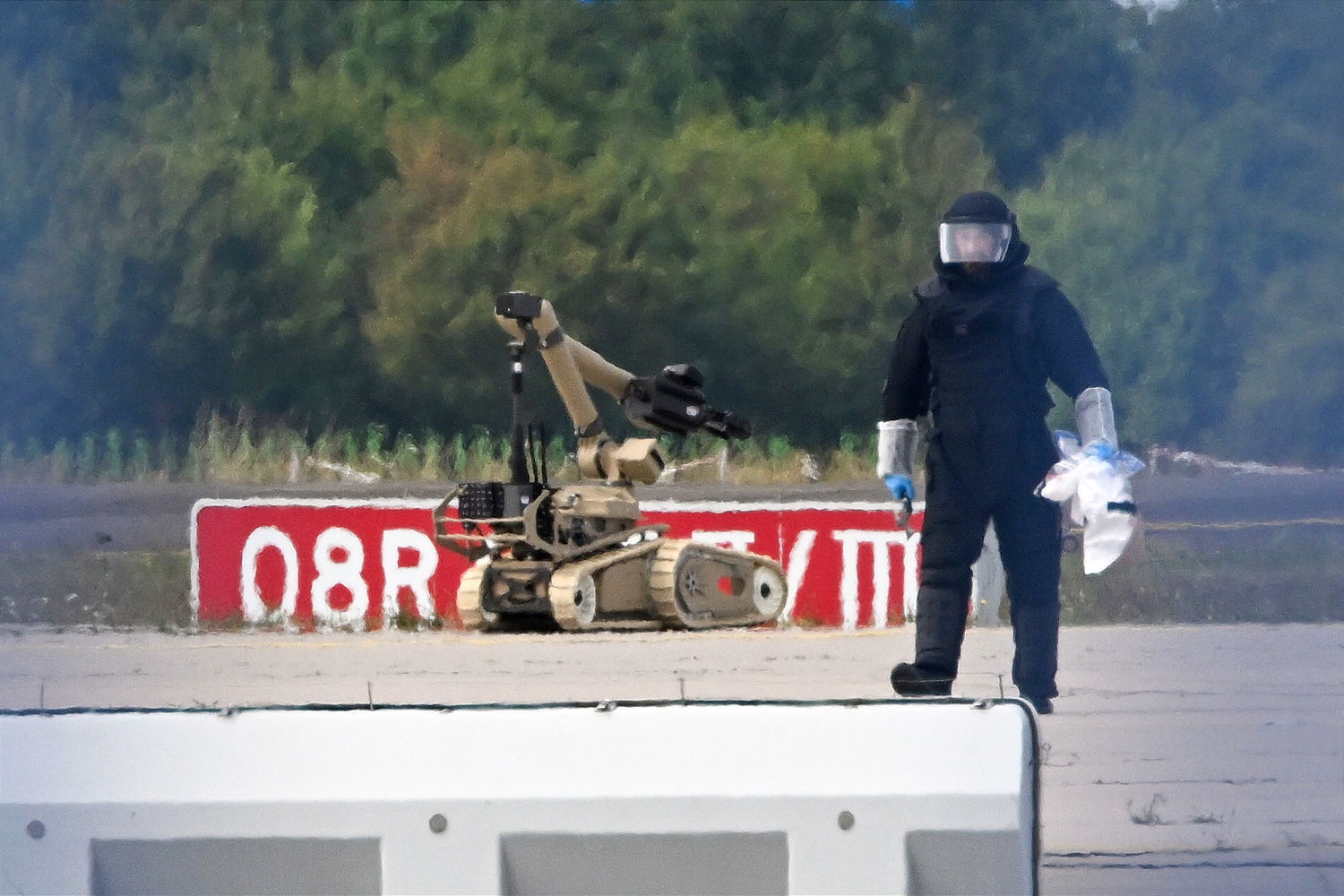
Take the recent incident at Leipzig/Halle Airport in Germany, where investigators traced a botched drone and explosive plot targeting cargo facilities back to Russian operatives. Or consider the suspected sabotage of rail infrastructure in Poland and deliberate arson attacks targeting defense manufacturing facilities in the Baltic states.
These operations share a common design. They look like isolated accidents. A warehouse fire here, a cut communication cable there. By keeping each incident just below the threshold of an open armed attack, Moscow forces European governments into a reactive posture.
Why Europe Struggles to Draw a Hard Red Line
The core dilemma facing NATO allies is simple: how do you respond to an attack that refuses to look like one?
NATO treaties state that a severe hybrid attack can trigger mutual defense clauses like Article 5. But the alliance has never clearly defined what specific crossover point turns a covert nuisance into an act of war. Individual member states are left guessing where the red line actually is.
If Poland's Starlink internet station gets hit by sabotage, is it a localized police matter or an act of war? When Russian naval vessels harass Danish helicopters with flares, is it a maritime safety issue or a deliberate escalation?
Because the blame is often masked through proxies, shell companies, or deniable operatives, European leaders spend crucial days or weeks debating attribution instead of retaliating. Moscow knows this hesitation well. The entire strategy depends on exploiting the slow, consensus-driven nature of democratic alliances.
The Shadow Fleet and Economic Warfare
It is not just about drones and fires. Look at the maritime domain. Russia continues to operate a massive "shadow fleet" of aging oil tankers traversing European waters to evade international sanctions.
These vessels are ticking time bombs for maritime safety and environmental security. They also serve as floating platforms for electronic interference and suspected surveillance of critical undersea communications cables.
When European authorities try to intercept or board unsafe vessels, or when security services scramble to protect offshore energy platforms from drone scouting missions, the economic and logistical strain adds up. The goal is to exhaust Western resources and wear down public political will to keep backing Ukraine.
What Needs to Happen Next
European defense analysts argue that a defensive shield will never be enough to stop these shadow tactics. Sitting back and intercepting drones or putting out warehouse fires just plays into the Kremlin's hands.
To change the math in Moscow, Western capitals have to move past endless internal handwringing. Analysts suggest adopting unpredictable, multi-domain responses—hitting back with coordinated asset seizures, aggressive financial investigations, and immediate maritime crackdowns whenever a proxy attack occurs.
Until Europe is willing to impose real, painful costs that catch the Kremlin off guard, the slow-burn sabotage campaign across the continent will only get bolder.