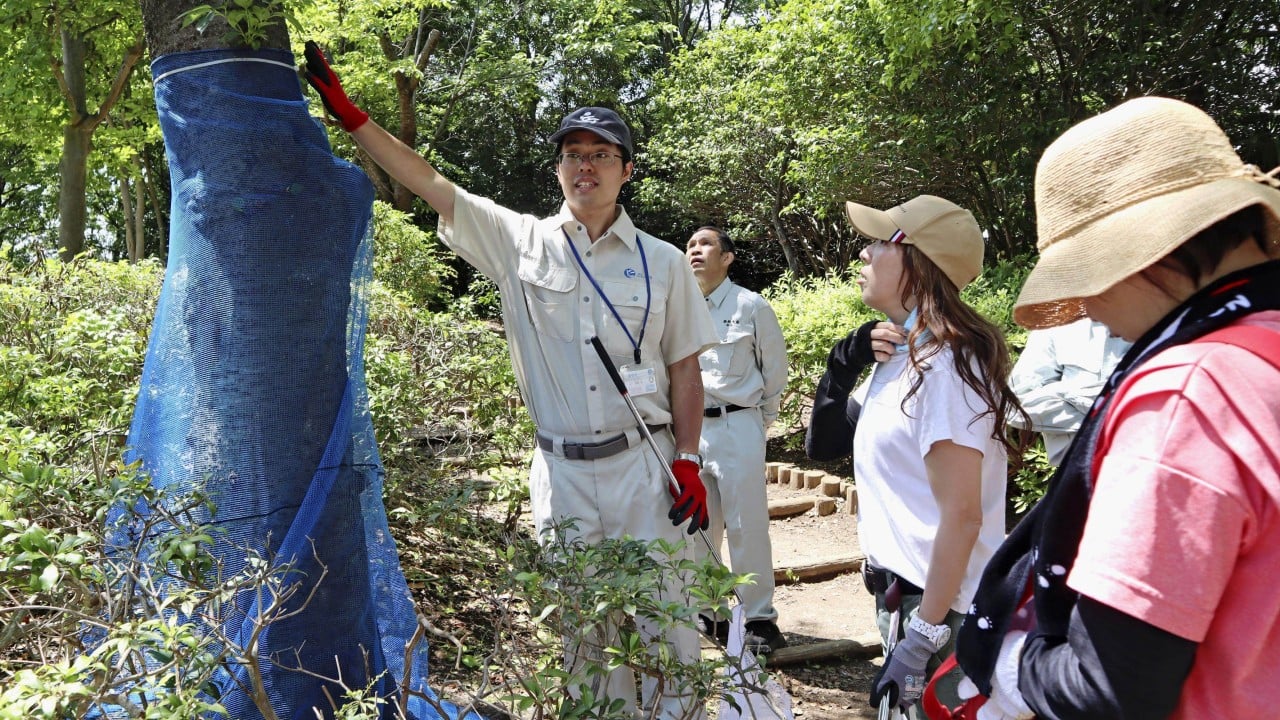
Springtime in Japan without cherry blossoms sounds like a dystopian movie. Yet, that nightmare is closer to reality than most tourists realize. Japan's Environment Ministry is pushing for a massive 6.7 billion yen (roughly US$43 million) budget for the upcoming fiscal year. Why? To wage an all-out war against the red-necked longhorn beetle (Aromia bungii).
These pests bore into cherry, peach, and plum trees, eating them alive from the inside out. If you've ever admired the iconic Somei Yoshino cherry trees lining Tokyo's rivers, you're looking at a ecosystem on the edge.
Let's look at what's actually happening on the ground.
The Bug That Threatens a National Symbol
The red-necked longhorn beetle isn't native to Japan. It hitched a ride through international trade, likely via imported wood or agricultural products. Once it arrived, it found a paradise of unprotected host trees belonging to the rose family (Rosaceae).
Female beetles lay eggs in the bark cracks. When the larvae hatch, they burrow deep into the timber. They feed voraciously, turning the internal structure of majestic trees into sawdust. By the time you notice external signs like wood shavings (frass) piling up at the base of a trunk, the damage is often done. The tree loses structural integrity, branches snap, and the tree dies.
Environment Minister Hirotaka Ishihara recently stressed the need for systematic, wide-area pest control. The target is clear: halt the expansion of damaged areas by 2030 and eventually wipe out the population. The government is pushing 22 out of 47 prefectures to build aggressive regional control strategies.
Local Bounties and Grassroots Panic
Before the central government proposed this multi-million dollar budget, local municipalities were already panicking. Cities across Tokyo and surrounding prefectures introduced bizarre grassroots initiatives to tackle the crisis.
Take Fussa city, for instance. They started handing out local gift certificates worth 500 yen for every batch of 10 beetles turned in. Over in Kawajima town in Saitama Prefecture, residents can pocket 100 yen for eliminating just one bug. It sounds like an arcade game, but local governments are desperate.
Schools, neighborhood associations, and park management offices are scrambling to train citizens on what to look for.
If you spot a red-necked longhorn beetle, here is what authorities want you to do:
- Catch it safely if you can. Do not let it fly away or crawl back into the brush.
- Snap clear photos of the insect, the frass on the bark, and the tree's location.
- Report it immediately to your local municipal environment office (kankyou-ka) or park management.
- Do not attempt harsh chemical treatments yourself. Leave large-scale trunk wrapping and insecticide injections to certified professionals.
Can Money Actually Stop an Invasion?
US$43 million sounds like a lot of cash. In the world of ecological management, though, it's barely a drop in the bucket once an invasive species gains a foothold.
Critics point out the massive challenge of monitoring dense urban parks alongside remote mountain borders. Prefectures like Hyogo and Kyoto have had to set up joint patrols in border areas just to keep tracking bugs moving across municipal lines. If a single town drops the ball, the beetles simply migrate back.
Furthermore, cash bounties come with their own risks. Wildlife experts often warn about perverse incentives—such as people breeding pests to collect rewards instead of eradicating them. Japan's strategy will need strict enforcement, rigorous science, and public cooperation to avoid backfiring.
The cherry blossom season defines Japan's cultural identity. Protecting it requires more than just hoping for the best. Stop ignoring small agricultural threats before they become national emergencies. Check your local trees, report suspicious wood dust, and support regional eradication efforts before your favorite park loses its canopy forever.