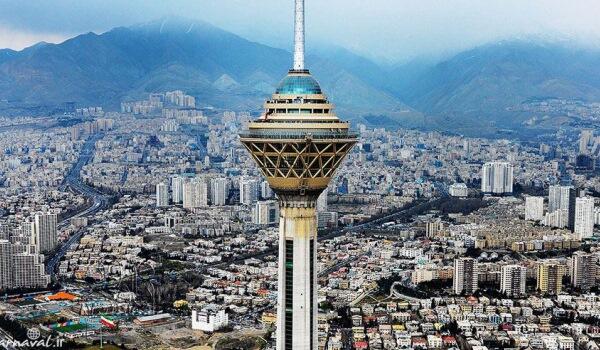
When the US Treasury rolls out heavy economic pressure, regular travelers feel it first. Fresh American aviation sanctions hit the wire, forcing Iranian carriers to abruptly pull the plug on vital regional routes. If you're trying to fly out of Tehran right now, your options just shrunk dramatically.
According to Majid Akhavan, a spokesman for Iran's Civil Aviation Organization, flights connecting Tehran to Baghdad and Muscat were officially grounded starting at midnight on Wednesday. Airports in Iraq and Oman refused to accept incoming Iranian aircraft, bowing to the severe financial and legal threats tied to Washington's updated penalties.
Why These Specific Sanctions Pack a Punch
Treasury Secretary Scott Bessent didn't mince words when outlining the administration's latest strategy, labeling the moves part of an aggressive push to squeeze Tehran's economic lifelines. Unlike previous policy iterations, these measures heavily target foreign airports, ground handlers, and fueling stations that service blacklisted Iranian planes.
When regional hub airports face secondary penalties for servicing carriers like Mahan Air or Iran Air, they drop them instantly. Muscat and Baghdad couldn't take the risk. Keeping an Iranian commercial jet at their gates suddenly became a liability that neither airport authority was willing to shoulder.
The Ripple Effect Across Regional Travel
The impact goes far beyond two canceled routes. For years, cities like Muscat served as crucial transit points for Iranian passengers moving between domestic hubs and international destinations. Cutting off Muscat and Baghdad isolates Iran's aviation network even further, leaving major carriers scrambling for alternative corridors.
While some routes toward Asia—such as flights to China—have managed to stay operational for now, other neighboring countries are falling in line with the new restrictions. Georgia and Azerbaijan have also confirmed suspensions, reflecting how quickly secondary enforcement forces compliance across international borders.
Tehran Responds While Passengers Pay the Price
Iranian President Massoud Pezeshkian, currently speaking at the United Nations General Assembly in New York, struck a defiant chord in response to the pressure. He maintained that public resilience will only harden against growing intimidation from Washington.
Yet political rhetoric doesn't solve logistical nightmares for stranded travelers or ticket holders. Iranian carriers are attempting to redirect flights to alternative airports like Najaf in Iraq, but official compliance details remain hazy.
If you are navigating travel in the region, keep a close eye on your airline's status board. Direct connections are disappearing overnight, and the landscape is shifting faster than official schedules can update. Check your carrier's direct advisory page before heading to any terminal, and expect sudden schedule changes as foreign ground providers pull back.