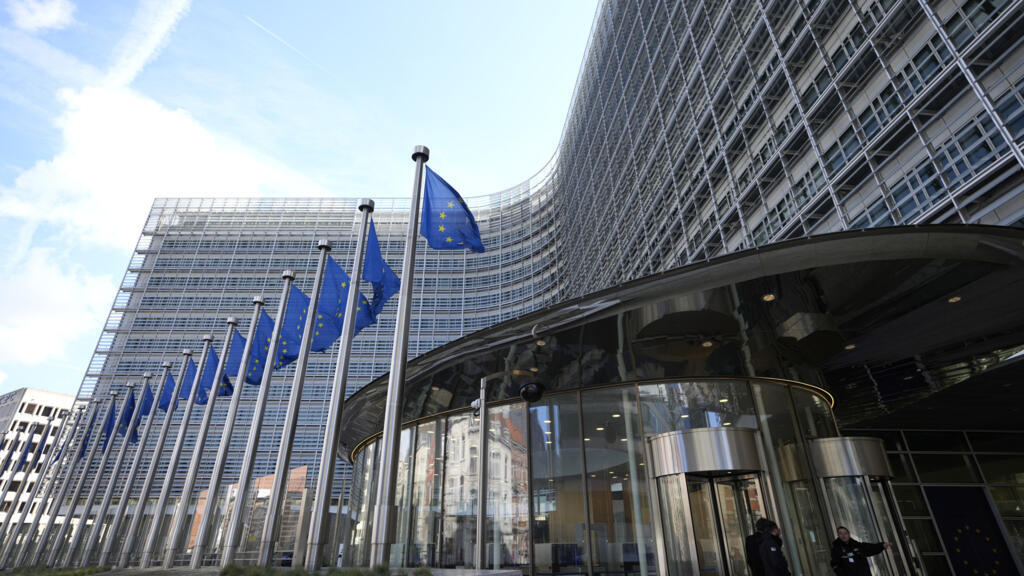
The European Union loves to project a united front against Moscow. Behind closed doors in Brussels, reality looks entirely different.
European ambassadors just hit a wall while trying to renew sanctions against nearly 3,000 Russia-linked individuals and entities. The sticking point isn't a grand strategic disagreement about the war in Ukraine. It's about two names: Alisher Usmanov and Mikhail Fridman. France and Slovakia spent weeks pushing to carve these Russian billionaires out of the bloc's blacklist. When a compromise seemed ready to trade their removal for a longer 36-month sanctions extension, Latvia threw a wrench in the works at the eleventh hour.
You see cracks in the armor every single time these measures come up for renewal. Brussels operates on a principle of strict unanimity. All 27 member states must agree, which means any single capital can hold the entire punitive apparatus hostage. That is precisely what happened.
The Cost of Backroom Bargaining
Let's be honest about how international politics works. National interests routinely trump collective solidarity.
Paris wanted Usmanov off the list. Diplomats leaked that the demand was tied to backdoor talks with Azerbaijan over detained French nationals, even though Baku officially denies the linkage. Luxembourg jumped into the fray to demand freedom for Fridman if Usmanov caught a break. Meanwhile, hawks in Warsaw and the Baltic states watched in fury. They argued that dropping billionaires mid-conflict sends a toxic message.
If you can bargain your way off a sanctions list, accountability becomes negotiable.
Ukraine's leadership didn't mince words. Officials in Kyiv pointed out that nothing has changed on the ground in Russia's war. Striking names off the ledger just tells Moscow that patience pays off. If you wait long enough, European political fatigue will do the heavy lifting for you.
Why This Renewal Process Is Broken
Every six or twelve months, the EU subjects its own punitive framework to a self-inflicted crisis. The individual asset freezes and travel bans require constant unanimous re-approval.
This design flaw invites extortion. A government with a bilateral grievance against a third country—or simply a domestic political lobby—can threaten to scupper the entire Russia sanctions regime unless they get a specific concession. The proposal to jump the extension to 36 months was an explicit attempt by the presidency to buy stability and stop playing chicken twice a year.
It didn't work. Latvia refused to back down from its hardline stance, forcing diplomats right back to the negotiating table with a midnight expiration deadline breathing down their necks.
What Happens Next
The system will limp forward because the alternative is too politically catastrophic to contemplate. Allowing thousands of war-linked asset freezes and travel bans to simply lapse would hand Moscow a massive propaganda victory.
Yet the damage is already done. Every bitter standoff over oligarchs chips away at the credibility of Europe's foreign policy. When national capitals prioritize bilateral side-deals over collective security, unity turns into a marketing slogan.
Keep an eye on how Brussels structures these renewals moving forward. Until they fix the unanimity trap, expect the same theater every single time the deadline approaches.