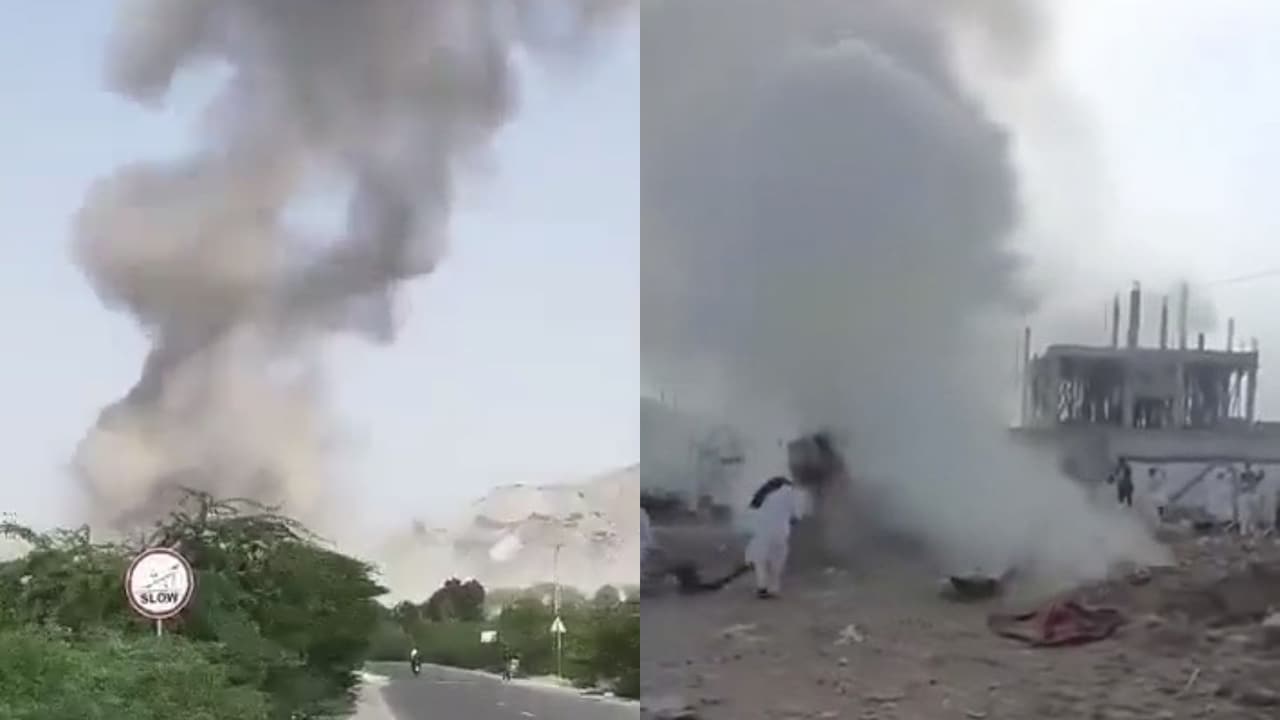
Another checkpoint goes up in flames. Eleven people are dead. Thirty others are lying in hospital beds, many fighting for their lives.
If you are paying attention to northwestern Pakistan right now, none of this comes as a shock. It is a grim, relentless pattern. A suicide bomber drove an explosives-laden vehicle straight into a roadside police and customs checkpoint in the Dera Ismail Khan district of Khyber Pakhtunkhwa. Two customs and excise officials were among the dead, alongside local police officers.
The Tehrik-e-Taliban Pakistan, commonly known as the TTP, has already claimed responsibility.
People want to know why these border regions remain absolute powder kegs. The real question is how state security structures keep getting caught flat-footed by vehicular suicide attacks that follow the exact same tactical playbook week after week.
The Anatomy of the Dera Ismail Khan Blast
Let us look at what actually happened on the ground. The strike hit a high-traffic transit point in Darazinda, a station area within Dera Ismail Khan. The bomber used a vehicle packed with heavy explosives, ensuring maximum structural damage and human casualties.
Rescue teams rushed to the scene. They pulled bodies from the wreckage and transferred the wounded to regional hospitals. Bomb disposal squads swarmed the site to pick apart the shrapnel and figure out the exact chemical composition of the explosives.
Yet, treating this as an isolated incident is a massive mistake.
Just a week prior, a similar bomber rammed an explosives-packed car into a mosque compound in Kohat, also in Khyber Pakhtunkhwa, collapsing walls and killing 21 people while wounding nearly 80 others. Fifteen police officers died in that blast alone because the mosque sat right next to regional police offices.
The geography tells the entire story. Khyber Pakhtunkhwa shares a porous, violent frontier with Afghanistan. The TTP operates with impunity from safe havens across the border or relies on local sleeper cells to stage these high-profile logistics nightmares.
Why The TTP Threat Keeps Escalating
You cannot understand the current wave of violence without looking at political shifts. Ever since the Afghan Taliban took back Kabul in 2021, the Pakistani Taliban has felt emboldened. They view the Islamabad government as a target for ideological expansion and revenge.
Pakistan's military establishment keeps promising sweeping intelligence-based operations. They talk a big game about crushing militant networks. But when a vehicle loaded with tons of explosives can freely roll up to an active checkpoint or a government-adjacent mosque without being intercepted kilometers away, the defensive strategy is broken.
Checkpoints are getting pulverized. Local law enforcement officers are bearing the brunt of the casualties, often working with outdated equipment and zero advanced warning systems.
What Needs to Change Right Now
If regional authorities want to stop bleeding officers and civilians, a few harsh adjustments are mandatory:
- Overhaul Intelligence Gathering: Reactive bomb disposal squads and hospital updates are not security. Intelligence agencies must disrupt these car-bomb factories before the vehicles ever hit the road.
- Harden Infrastructure: Roadside checkpoints are sitting ducks. They need concrete fortifications, modern vehicle barriers, and standoff distances that stop suicide drivers long before they reach personnel.
- Address Border Security Realities: Finger-pointing at neighboring administrations accomplishes nothing. Islamabad has to enforce strict border management that blocks militant movement entirely.
The cycle of grief in Khyber Pakhtunkhwa continues spinning. Until leadership shifts from issuing standard condemnation statements to fixing structural failures on the front lines, these numbers will only climb.