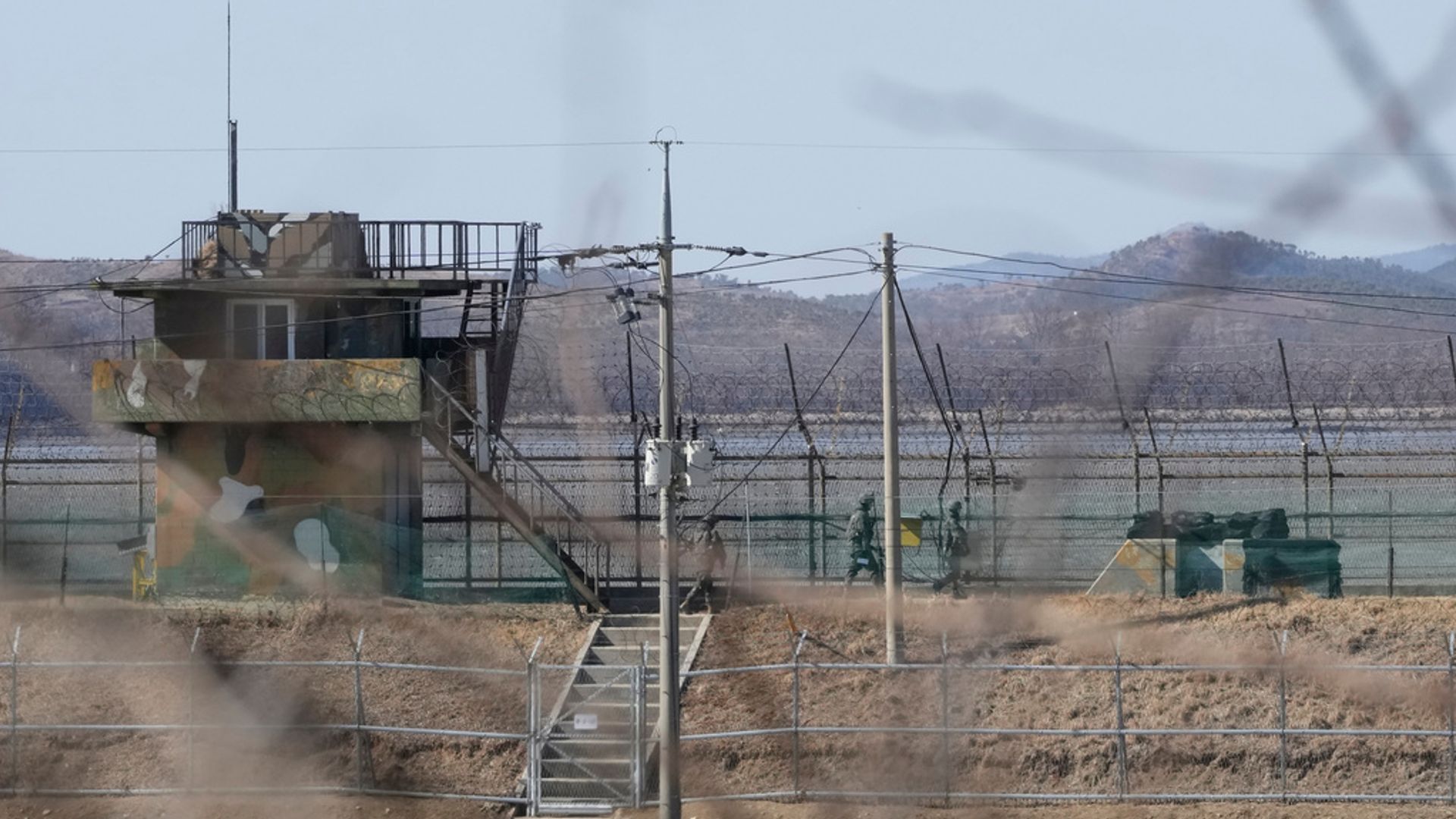
Three South Korean military officers stepped into a nightmare during a routine search operation. An unexpected explosion shattered the silence in the western sector of the Demilitarized Zone, leaving the trio injured and forcing an emergency helicopter evacuation. Seoul's Joint Chiefs of Staff confirmed the blast happened south of the Military Demarcation Line.
Military authorities suspect a landmine triggered the incident. It is a grim reminder that the 155-mile strip separating the two nations remains one of the most dangerous patches of earth on the planet.
You might wonder how a blast happens inside a controlled zone. The reality of the border is far messier than official maps suggest.
The Anatomy of a Cold Border Hazard
Let us be clear. The Korean Demilitarized Zone is not a peaceful nature reserve. It is a jagged scar buried beneath barbed wire, heavy surveillance, and an estimated two million unexploded landmines.
When an explosion occurs south of the demarcation line, panic follows quickly. Two of the wounded officers were airlifted straight to the Armed Forces Capital Hospital. The third faced transport by road before following suit.
Accidents happen, but this event arrives at a deeply volatile political moment. North Korea has spent months ramping up hostile rhetoric and aggressive engineering near the frontier.
Why This Blast Differs from Past Incidents
Old legacy mines from the 1950 to 1953 conflict still shift underground due to heavy seasonal rains. They wash downstream or surface unexpectedly. But intelligence analysts aren't pointing fingers solely at weather patterns this time.
Pyongyang has spent months laying new tactical roads, installing fences, and dropping fresh explosives. Earlier in September 2026, South Korean lawmaker Yu Yong-weon pointed out a chilling detail. North Korean minefields and security installations had actually crossed the Military Demarcation Line by roughly 10 to 15 meters at six distinct locations on the western front.
When boundaries blur, tragedies follow. If North Korean troops planted explosives that spilled over into southern territory, or if shifting lines put routine search teams in an unmarked hazard zone, the military calculus changes entirely. This isn't just about aging ordnance. It points to active, high-stakes encroachment.
The Operational Reality Facing Frontline Units
Operating near the border requires nerve. You are constantly balancing tactical readiness against invisible, silent killers buried beneath your boots.
- Search teams must clear routes inch by inch.
- Monsoon rains regularly disrupt historical mine maps.
- Cross-border construction creates fluid, unpredictable hazards.
South Korea's military now faces a dual challenge. They have to investigate whether this specific explosion stemmed from a stray legacy device or a newly planted North Korean mine. At the same time, they must coordinate closely with the United Nations Command to assess terrain changes along the frontier.
If you track security trends on the peninsula, you know incidents like this rarely stay isolated. They spark immediate retaliatory posturing and sharpen defensive lines.
Check your local security briefings for updates on the investigation results from the Joint Chiefs of Staff. Monitor how command structures respond to border boundary violations before planning any travel or regional analysis involving the northern provinces.