Your tax dollars are officially buying television airtime to praise Donald Trump. It sounds like a punchline or a piece of dystopian satire, but it is happening right now on cable networks across America.
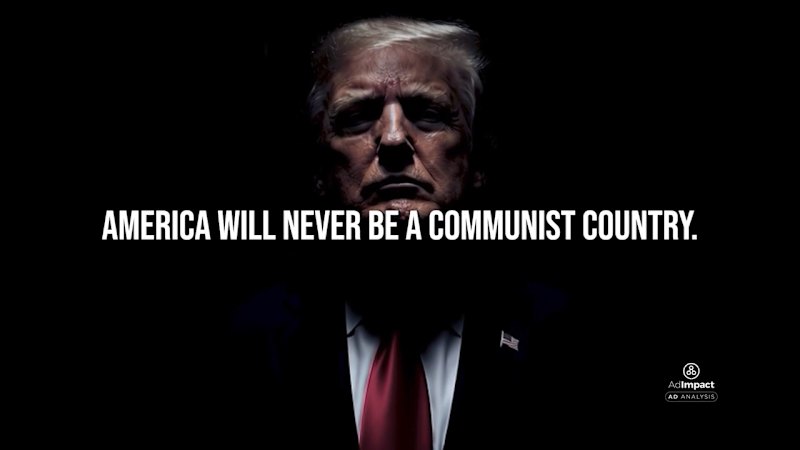
A newly launched ad campaign featuring rapid-fire cuts of the president, video clips from his second term, and audio of his speeches has hit major networks. The catch? The small text at the bottom of the screen reads "Paid for by the U.S. Government."
Unsurprisingly, critics are furious. Lawmakers and ethics watchdogs are calling it an illegal misuse of public funds designed to tilt the scales ahead of the midterm elections. The White House is pushing back hard, insisting it's nothing more than a patriotic public service announcement.
Let's look at what the ad actually shows, why it's breaking political norms, and whether it crosses any legal red lines.
What is Inside the Government Funded Ad?
If you catch the 30-second or 60-second spots airing on networks like Fox News and Newsmax, you aren't seeing classic government public service announcements about public health or wildfire safety.
Instead, the commercial features a soundtrack built around JMSN’s song "Love Me," mixed with audio of Trump declaring that America will defeat communism, socialism, and Marxism. The visual montage is a hyper-focused highlight reel of the president himself.
Flash-cuts show Trump at rallies, standing with military leaders, greeting foreign dignitaries, and overseeing actions like the recent U.S. military operation in Venezuela. Text overlays boast about his administration's accomplishments, citing the "largest tax cuts in history" and efforts to support domestic manufacturing and police. The spot ends with an endorsement from Ultimate Fighting Championship CEO Dana White, who calls Trump the toughest and most resilient man he has ever met.
Media tracking firms report that the administration has already spent hundreds of thousands of dollars to broadcast these spots in key media markets like New York, Los Angeles, Washington D.C., and Chicago.
The White House Defense versus Congressional Outrage
The White House insists the commercial is entirely legal and appropriate. Officials argue that the spots are educational, unapologetically patriotic, and meant to remind citizens of what makes the country worth defending. Because Trump is not technically on the ballot in the upcoming midterms, administration defenders claim the video cannot be categorized as a campaign ad.
Democrats aren't buying it. Representative Jamie Raskin called the move an egregious misuse of government resources, suggesting it could run afoul of the Hatch Act and federal prohibitions against using public funds for political propaganda.
Lawmakers in both the House and Senate have penned urgent letters demanding the immediate removal of the ads. Even some Republicans have voiced discomfort. North Carolina Senator Thom Tillis publicly criticized the move, comparing the strategy to tactics used by foreign authoritarian leaders rather than standard American governance.
Is This Legal Under Federal Law?
Federal appropriations laws have long banned the government from spending taxpayer money on publicity or propaganda campaigns designed to aid a political party or specific candidate.
Past administrations have danced around these lines. George W. Bush's administration faced heavy criticism and a Government Accountability Office reprimand for producing video segments featuring actors posing as reporters to promote a prescription drug law. During Trump's first term, pandemic-related outreach initiatives also triggered investigations over partisan messaging.
Yet, legal experts note that prosecuting a case like this is notoriously tricky. While campaign finance rules restrict direct political contributions, a court would have to decide whether a video explicitly celebrating a sitting president's policy platform crosses the threshold into an illegal partisan publicity effort. Because the ad stops short of telling viewers to vote for a specific candidate on a specific date, administration lawyers believe they have found a technical loophole.
What Happens Next
The controversy highlights a deepening battle over the boundary between official government communication and partisan self-promotion. As the midterm elections draw closer, expect more fights over how executive power is wielded and what kind of messaging public money can legally support.
If you want to track how your tax dollars are spent, keep an eye on federal disclosures and independent media tracking reports. The rules governing executive communications are being tested in real time, and the fallout from this campaign will shape how future administrations use public funds for years to come.