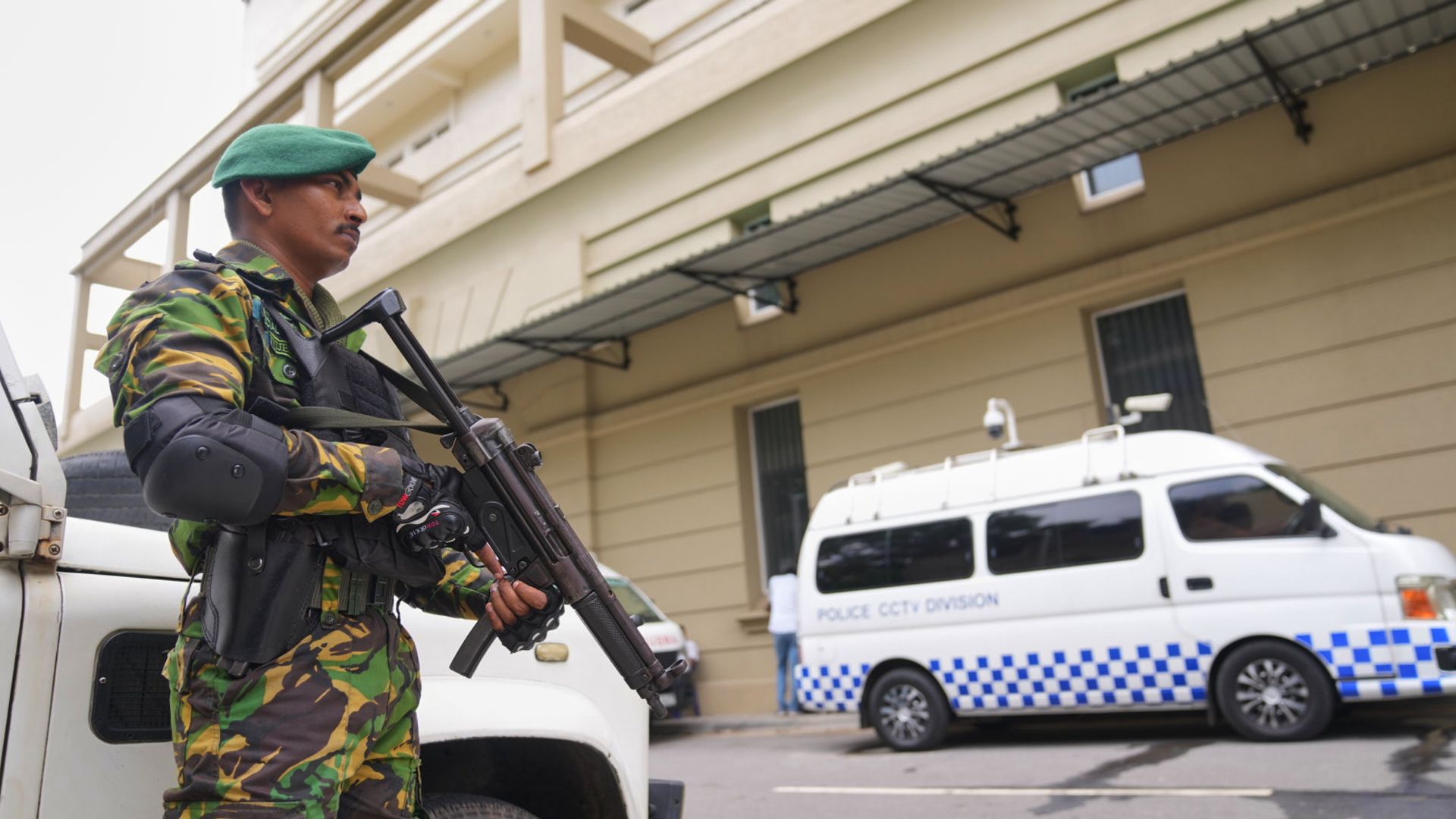
Justice moves slowly in Colombo. More than seven years after coordinated suicide bombers shattered churches and luxury hotels across Sri Lanka, a three-judge High Court panel finally delivered a massive verdict. Fifteen men were convicted for their roles in the 2019 Easter Sunday attacks and handed lengthy prison sentences totaling hundreds of years behind bars. Over 260 people died that day, including dozens of foreign nationals, while roughly 500 others suffered horrific injuries.
Yet, as survivors and families of the victims step outside the courthouse, the mood isn't pure celebration. It's complicated. While courts have locked away individuals tied to the local militant network that executed the carnage, deep public skepticism remains about who pulled the strings behind the scenes. Meanwhile, you can read similar developments here: Why New Mexico Just Handed Facebook Over Two Million Privacy Violations.
Here is what actually happened in court, what the sentencing means, and why the real story of the 2019 bombings might still be hidden beneath layers of political noise.
The Verdict and the Weight of 23,000 Charges
The trial itself was historic for all the wrong reasons. Prosecutors filed a staggering 23,270 charges against suspects under Sri Lanka's strict Prevention of Terrorism Act. The case dragged on for years, examining evidence that included explosives, firearms, swords, and testimony from over 2,300 witnesses. To see the full picture, we recommend the recent report by Al Jazeera.
When the bench finally delivered its ruling, 15 men were found guilty of offenses ranging from murder and conspiracy to terrorism and possessing weapons. Among them was Mohamed Naufar, identified by prosecutors as a central figure who helped organize and inspire the attack cell. Nine other defendants were acquitted due to insufficient evidence.
The court didn't hold back on punishment. The convicted men received massive prison terms, effectively ensuring they will die in prison. Because Sri Lanka hasn't executed anyone since 1976, death sentences default to life imprisonment anyway, but stacking centuries onto their individual sentences sent an unmistakable message. Furthermore, the court ordered the complete confiscation of all assets belonging to the convicted men.
Filling the Accountability Vacuum
For years, victims' families felt completely abandoned by the system. The immediate aftermath of the April 21, 2019 attacks brought a wave of grief, shock, and furious questions about how foreign and domestic intelligence warnings were completely ignored.
Authorities knew threats were looming. International intelligence partners, including India, had passed along specific alerts that a strike was coming. Yet, top national security officials failed to act. The political fallout was immediate and chaotic.
Accountability has trickled out slowly through separate legal channels. Earlier this year, a former police chief and a senior defense ministry official were sentenced for criminal negligence related to the intelligence failures. Courts have also previously ordered former president Maithripala Sirisena to pay financial compensation to victims for security lapses during his tenure.
But for many Sri Lankans, locking away the foot soldiers and negligent bureaucrats doesn't touch the core of the tragedy.
The Shadow of Wider Conspiracies
If you talk to local civil society groups or representatives of Sri Lanka’s Catholic Church, you'll hear a consistent refrain: the men standing trial aren't the real masterminds.
The church has repeatedly claimed that a larger, hidden conspiracy drove the attacks. Those suspicions haven't faded into the background. Instead, they've fueled intense separate investigations focusing on state intelligence figures and high-level political motives.
Investigators have probed allegations surrounding Suresh Salley, a former military intelligence chief who was arrested earlier this year. Authorities have alleged that Salley had prior knowledge of the plot. Whistleblower claims and independent investigative reports have previously alleged that the attacks were allowed to happen to manufacture a national security crisis. The ultimate political beneficiary of that crisis was the Rajapaksa family, whose hardline stance on security propelled Gotabaya Rajapaksa to the presidency later that year.
Both Salley and former leaders have denied any involvement or complicity, and legal battles continue to play out behind closed doors.
Moving Forward From Here
The 2026 High Court verdict closes a major chapter in one of South Asia’s darkest modern moments, but it doesn't offer total closure. Survivors still carry physical and psychological scars that no court order can heal.
If you are following the aftermath of this trial, watch how the appellate courts handle the defense appeals, and keep a close eye on the separate state-complicity investigations. True justice in complex terrorism cases requires more than just punishing the hands that planted the bombs. It demands absolute transparency about the systems that let them walk through the door.