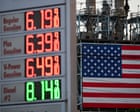
Pump prices are hitting punishing highs, and Washington is looking for someone to blame. US diesel recently touched a record average of $6.52 a gallon, sparking panic ahead of the midterm elections. Naturally, the White House wants a quick fix. Donald Trump is reportedly eyeing a 90-day ban on US diesel exports to keep those refined fuels at home and lower costs for American drivers.
It sounds simple on paper. Stop shipping fuel abroad, flood the domestic market, and watch prices drop. But energy markets don't work like political campaign promises. Brussels has already pushed back, warning that choking off US diesel shipments will trigger widespread economic damage across Europe. US energy secretary Chris Wright has privately called the idea a blunt tool that risks long-term supply stability.
Let's look at why this policy idea is a disaster waiting to happen for both sides of the Atlantic.
The European Crunch and American Reliance
Europe is walking a tightrope right now. The continent has spent the last couple of years dealing with severe structural energy shocks. Refineries in Russia and war-damaged facilities in the Middle East have fallen offline or reduced output drastically. Domestic European production covers about 70% of local consumption, leaving a massive 30% gap that must be plugged by imports.
Enter the United States. American diesel exports have become the primary lifeline for European buyers this year. By August, US cargoes accounted for roughly half of Europe's entire diesel imports.
When Josh Michalowski, the head of European diesel pricing at Argus Media, calls a potential US export ban devastating, he isn't exaggerating. European filling stations won't run completely dry overnight, because local refineries and strategic reserves still exist. But losing American shipments means European buyers will instantly have to scramble against Asian buyers for limited cargoes from the Middle East and India. Prices will spike aggressively, feeding inflation into logistics, farming, and manufacturing sectors that rely heavily on fuel.
The UK Squeeze
Across the English Channel, the situation is even more fragile. The UK economy is deeply exposed to these global trade shifts. Following the recent closures of major domestic refineries like Grangemouth and Lindsey, the country is down to just four operating oil refineries.
Thomas Pugh, chief economist at RSM UK, points out that losing roughly 90,000 barrels a day of US distillate—amounting to 18% of total UK consumption—would make the nation dangerously vulnerable. While passenger cars are increasingly electrified, diesel remains the absolute lifeblood of the UK’s agricultural sector, delivery vans, and heavy goods vehicles. If fuel costs skyrocket because American supply gets locked behind domestic borders, everyday goods will become significantly more expensive to transport.
Why Domestic Price Caps Rarely Work
Politicians love export bans because they look decisive. They signal to voters that leaders are fighting for lower household bills right now. But history shows that market intervention creates unexpected distortions.
If American refiners are legally barred from selling to the highest bidder overseas, their profit margins shrink. When margins drop, refiners cut back on processing crude into diesel, slowing down production over time. That unintended reaction can actually tighten supplies further, defeating the original goal of lowering pump prices.
Chris Wright's warning about the policy being a blunt tool hits the nail on the head. Using export restrictions to manage domestic inflation treats the symptom while damaging the engine. Global energy trade is deeply interconnected. You cannot pull out a major foundational block like American diesel without the entire structure shaking.
High fuel prices hurt. They strain household budgets and frustrate voters. But treating global energy supply chains like a domestic political pawn usually ends up making everyone poorer. Brussels expects close partners to consult before taking measures that disrupt shared markets, but diplomacy might not stop a desperate administration hunting for votes.
If you manage logistics, run a transport fleet, or operate in manufacturing, keep a close eye on Washington over the coming weeks. Do not assume current supply lines are secure. Build buffer stock where possible, lock in fixed fuel contracts if you can find them, and prepare for increased volatility across the global commodities market.