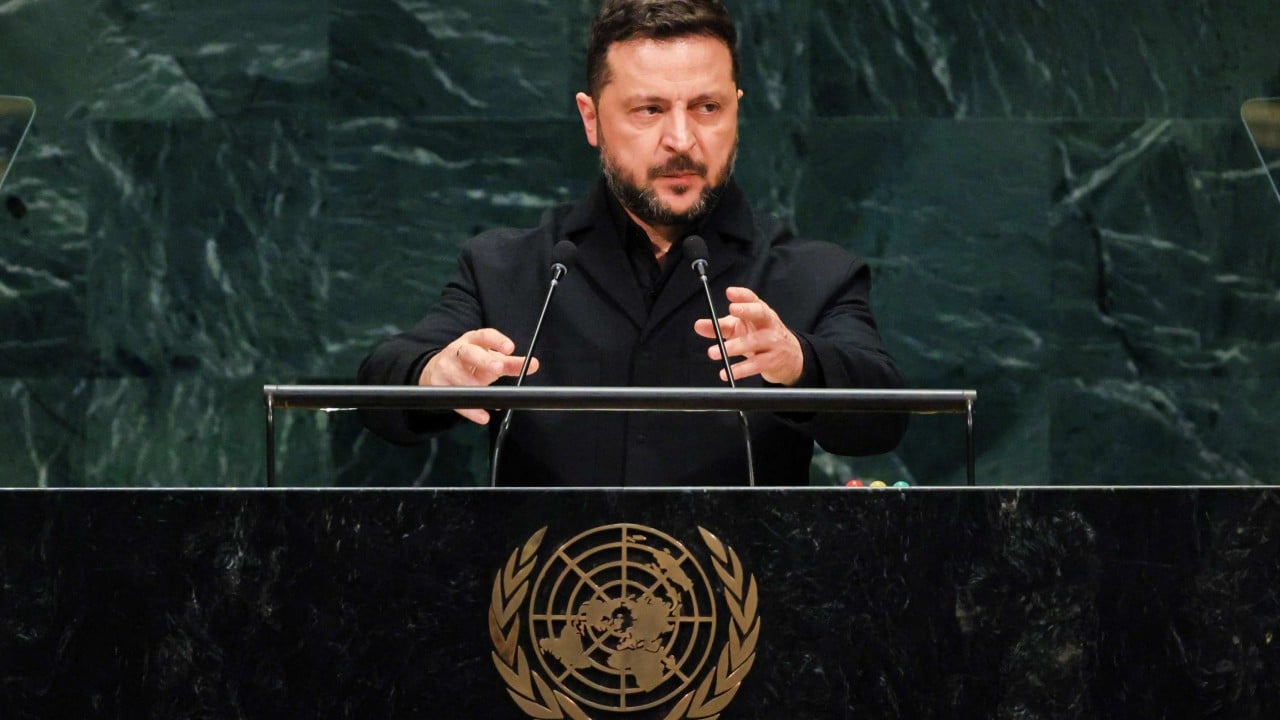
Winter is coming, and this time, the historic frost might switch sides. Ukrainian President Volodymyr Zelenskyy stepped up to the United Nations General Assembly in New York with a stark warning for Moscow. If Russia keeps targeting Ukrainian power plants and heating grids, Kyiv won't just sit back and freeze. They'll take the fight directly back to Russia's energy infrastructure.
For centuries, Russian military doctrine relied on "General Winter" or "General Frost" as an invisible ally, freezing out invaders and breaking enemy morale. But Zelenskyy pointed out a historic twist. Russia never imagined that severe winter weather could turn around and bite them back. Ukrainians know the upcoming months will be brutal. Yet, they're preparing to make sure the cold hits Russian homes and fuel supplies just as hard if energy truce talks fall apart.
The Stalled Push for an Energy Truce
Diplomatic channels are working overtime to secure a limited agreement before temperatures drop. Last week, discussions involving international leaders—including a high-stakes meeting between Zelenskyy and U.S. President Donald Trump—touched on a potential temporary ceasefire targeting energy assets and Black Sea shipping lanes.
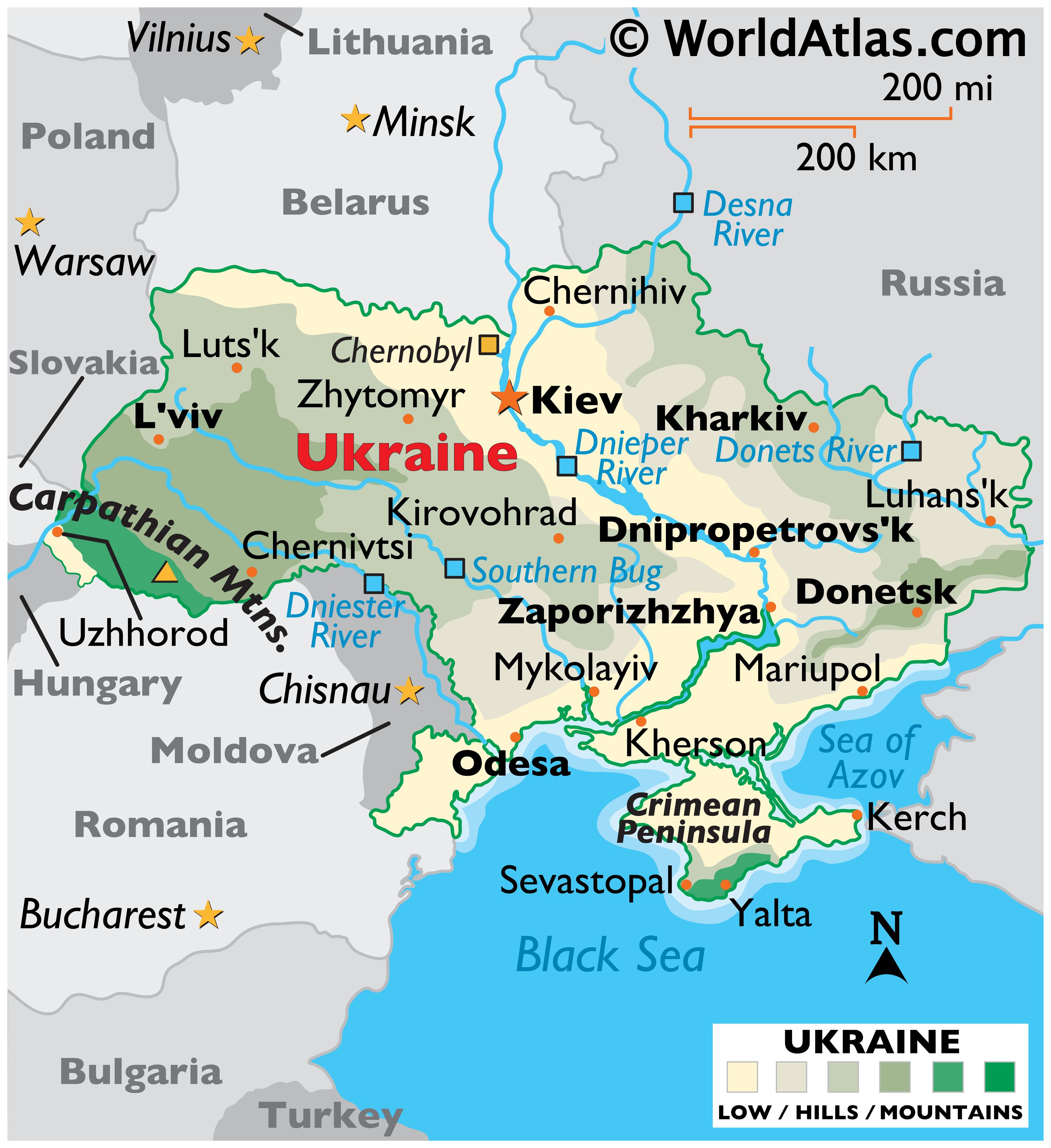
Despite those diplomatic pushes, Moscow's stance remains stubborn. Russian Foreign Minister Sergei Lavrov made it clear at the UN Security Council that the Kremlin has little appetite for a temporary cessation of hostilities. Meanwhile, Russian forces continue hitting civilian energy nodes, leaving negotiators scrambling. Ukraine is ready for a maritime and energy de-escalation based on proposals floated by global partners like Turkey, India, and Egypt, but waiting on a genuine response from the Kremlin has become a frustrating game of patience.
Why Targeting Energy Changes the War
Energy grid attacks aren't just tactical maneuvers. They're calculated attempts to break the societal will of a nation. Since spring, Ukrainian long-range capabilities have evolved past mere defensive postures. Kyiv's forces have shown they can successfully strike deep inside Russian territory, targeting oil processing plants, refineries, and export terminals.
If Moscow thinks it can plunge Ukrainian cities into darkness without facing matching blackouts at home, it's miscalculating. Ukraine's message at the UN was direct: diplomacy is preferred, but strength is non-negotiable.
What Happens Next
The coming weeks will determine whether winter becomes a humanitarian catastrophe or a forced turning point for negotiations. Global wheat markets and energy prices are already jittery as importers across Asia and Africa monitor the Black Sea standoff. If talks fail, expect a winter campaign defined by mutual infrastructure destruction.
Keep an eye on back-channel communications involving Washington, Beijing, and Moscow. If third-party pressure fails to force a localized energy truce, both sides will brace for a harsh season where warmth becomes the ultimate leverage.