When food costs spiral out of control, independent restaurants face an impossible choice. Do they hike prices until customers walk away, or do they quietly axe their signature dishes?
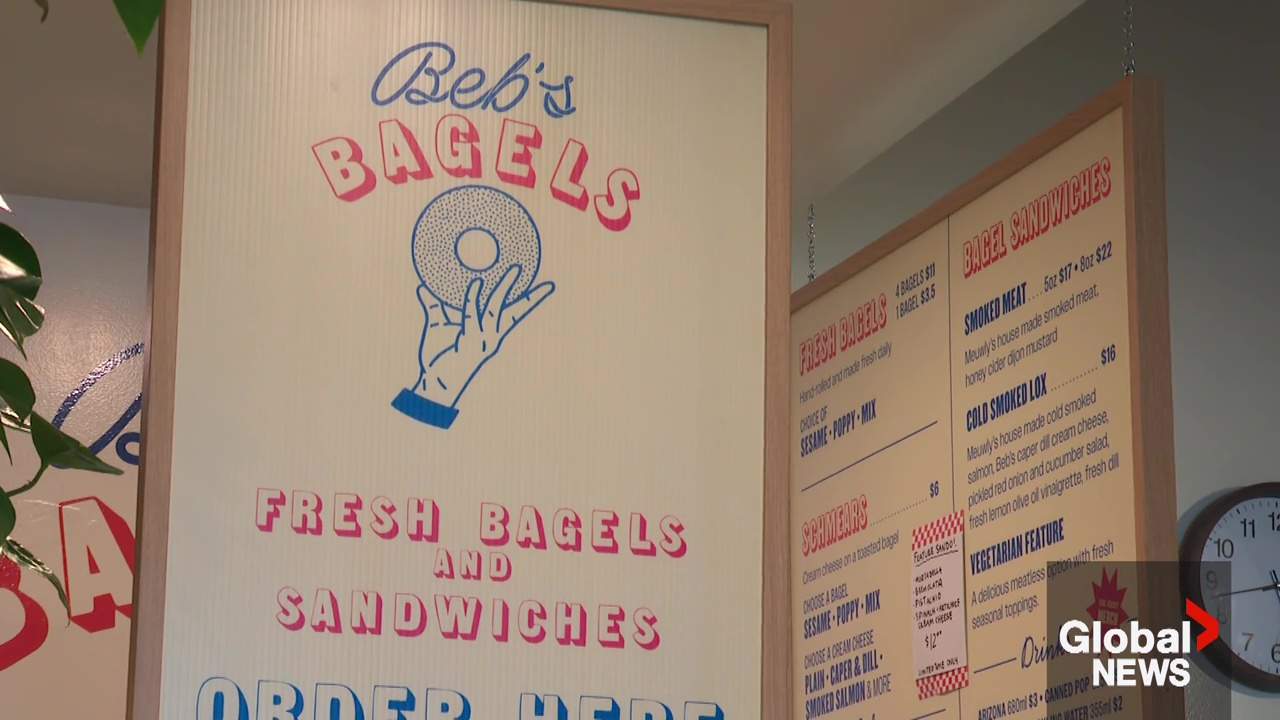
Take Beb's Bagels on Whyte Avenue in Edmonton. Their smoked meat sandwich wasn't just a menu item. It was the anchor that helped fund their physical shop. When the co-owner, Lindon Carter, watched wholesale beef prices surge from $10 a kilogram to $17 over three years, he didn't try to mask the blow with cheaper cuts. He pulled the item off the menu entirely.
That kind of uncompromising decision highlights the quiet crisis hitting independent food businesses across Canada. High beef prices and stubborn inflation aren't just squeezing corporate bottom lines. They're changing what local neighborhoods taste like.
The Math Behind the Menu Massacre
Running a small food business on tight margins leaves zero room for error. When a core ingredient jumps by seventy percent, restaurants absorb the shock until they physically can't.
Many shops rely on a tip-free model to guarantee steady paycheques for staff, making cost spikes even harder to swallow. When you refuse to cut staff wages and refuse to compromise on meat quality, the math forces your hand. You either sell a loss-leader that bleeds cash or you cut the cord.
Most consumers don't see the behind-the-scenes procurement struggles. They just see a missing favorite on a chalkboard menu. But behind every vanished staple is a frantic spreadsheet calculation involving supply chains, import tariffs, drought impacts on cattle herds, and processing plant consolidation.
Why Cheap Alternatives Fail the Quality Test
A common suggestion is switching to cheaper suppliers. Why not buy lower-grade beef?
For independent spots that built their reputation on a specific flavor profile, cutting corners destroys customer trust faster than a price hike. If a smoked meat sandwich loses its signature texture and flavor, regulars notice immediately. Word spreads fast in local food scenes.
Instead of serving an inferior product, owners choose short-term pain over long-term brand erosion. It's a bold gamble. You risk disappointing fans today to protect the integrity of your name tomorrow.
The Broader Grocery and Restaurant Squeeze
This isn't an isolated incident happening inside a single Edmonton kitchen. Economists point out that Canada's food sector suffers from deep structural issues, including a lack of retail and supply competition. When food inflation doubles the price of basic grocery staples in a generation while real wages stagnate, dining out becomes the first luxury households cut.
Higher-income families are pulling back on restaurant visits. Lower-income households are priced out of convenience items entirely. Independent operators get caught in the crossfire between wholesale suppliers charging record rates and consumers stretched to their financial limits.
What This Means for Your Neighborhood Spots
If you want your favorite local shops to survive, expect more menu pruning. The era of massive, sprawling menus at independent cafes and sandwich shops is fading. Operators are streamlining down to high-margin, low-waste items just to keep the lights on.
Support them when they make hard calls. Appreciate that when a shop refuses to compromise on quality, saying goodbye to a beloved item is often the only path left to survive.