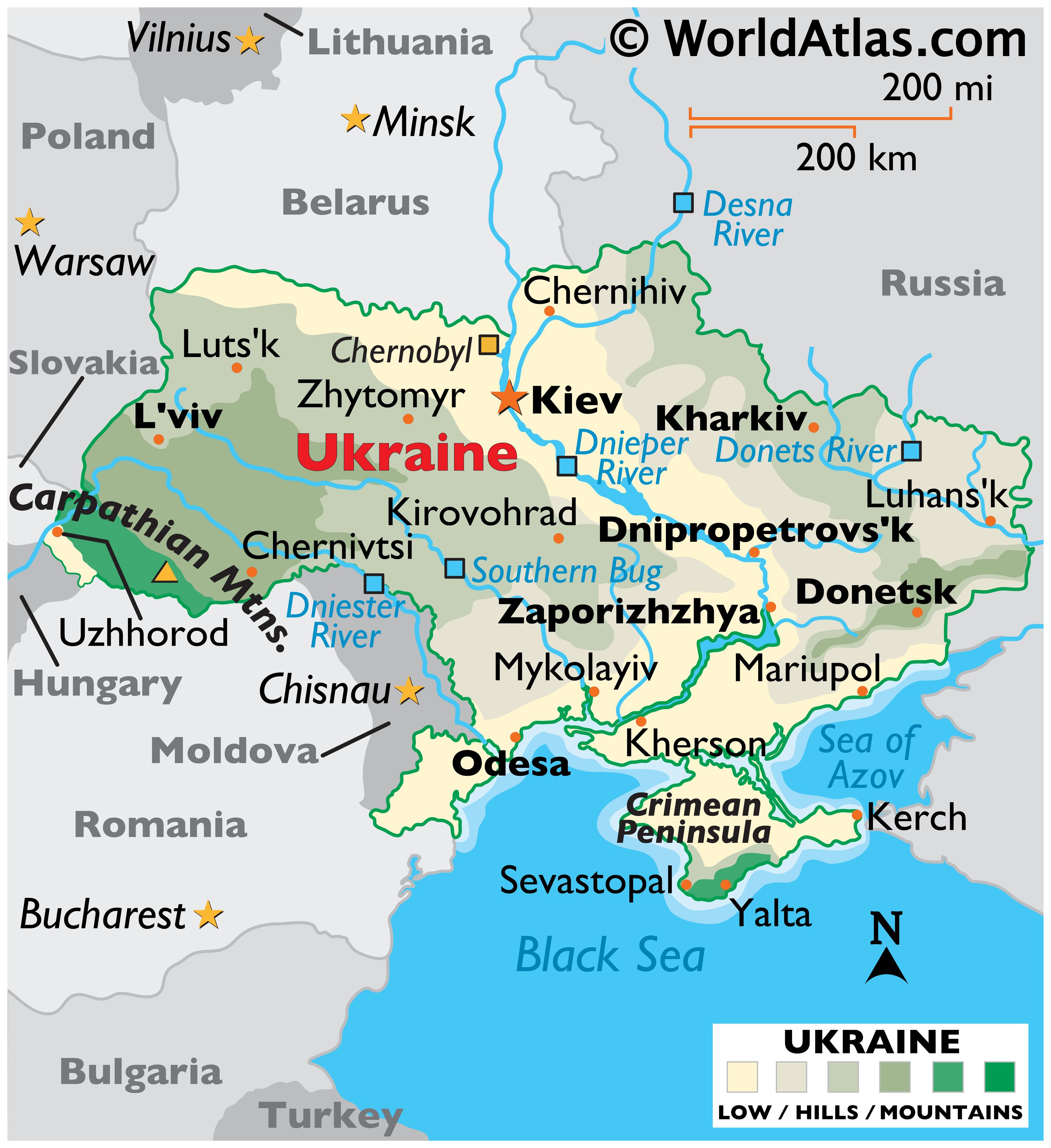
Money keeps wars alive. Volodymyr Zelenskyy made that brutal truth clear during his address at the United Nations General Assembly in New York.
When global leaders maintain trade ties with Moscow, they are buying time for the Kremlin's artillery. Every barrel of oil bought and every financial loophole left open translates directly into more drones, more missiles, and more destruction on Ukrainian soil. Zelenskyy didn't mince words. He called out the quiet hypocrisy of nations that claim to want peace while keeping their cash flowing into Russian state coffers.
If you want to understand why the conflict drags on year after year, look past the front-line stalemate. Follow the money.
The Core Argument Behind Choking Russian Revenues
Sanctions have never worked as cleanly as Western diplomats hoped. Moscow adapted. They found shadow fleets, alternative payment networks, and third-party intermediaries to keep exports moving.
Zelenskyy's pitch at the UN wasn't just standard diplomatic theater. It was a direct warning. He pointed out a simple equation: trade equals time. When countries pump cash into Russia through commerce, they give the war more lifespan. That is why Kyiv keeps pressing for stricter enforcement, aggressive secondary sanctions, and total trade limitations on the aggressor.
Western analysts estimate that hundreds of thousands of troops have fallen on both sides since the invasion started over four years ago. Yet, the economic engine powering those losses remains active in parts of Asia, the Middle East, and even through backdoors into Europe.
Why Partial Sanctions Fail
Half-measures give illusion without impact. When you ban one commodity while leaving another wide open, markets simply route around the restriction.
- Shadow tankers carry oil past price caps with impunity.
- Dual-use technology flows freely through neighboring transit hubs.
- Financial institutions in neutral countries look the other way for a cut of the profits.
Zelenskyy argued that Ukraine is doing the hard work of hurting Russian revenue directly through long-range drone strikes on refineries and depots, but international partners must pull their weight on the financial front.
What the Kremlin Says in Response
Moscow has its own counter-narrative ready. Foreign Minister Sergey Lavrov made it clear at the UN Security Council that Russia has zero interest in a quick ceasefire or a temporary "pause" in hostilities.
From the Kremlin's perspective, a pause simply gives Ukraine and its NATO backers a chance to rearm and train fresh brigades. They want total capitulation or terms entirely on their own design. They will take their turn at the assembly podium to defend their wartime economy, blaming Western sanctions for global disruptions in grain, fuel, and fertilizer shipments.
This diplomatic deadlock leaves the world caught in a grinding war of attrition.
What Needs to Happen Now
If you are watching global markets or geopolitics, the path forward requires uncomfortable choices.
Stop buying discounted energy through intermediaries. Enforce compliance on maritime shipping insurance and tanker tracking. Close the loophole nations that profit off cheap Russian inputs while pretending to stay neutral.
The war ends when the cash runs out. Until world leaders treat financial complicity as seriously as military aggression, the cycle will repeat.